From Waste Plastic to Pyrolysis Oil: The Alchemy of Molecules and Energy
Plastic pollution is a defining environmental challenge of our time. Yet, within every discarded bottle or wrapper lies a hidden potential: the hydrocarbons that originally came from fossil fuels. Advanced pyrolysis technology is now performing a form of modern alchemy, transforming this problematic waste back into a valuable liquid resource—pyrolysis oil. This process is not magic, but a fascinating story of controlled material transformation and energy conversion.
The Starting Point: The Complex Chain
Most common plastics (like PE, PP, PS) are polymers—long, repetitive chains of carbon and hydrogen atoms (monomers). These stable, durable chains are excellent for packaging but resist natural degradation. In a landfill, they persist for centuries. In traditional recycling, contamination and mixed types degrade quality. Pyrolysis of plastic to oil machine offers a chemical reset.
Stage 1: Breaking the Chains (Cracking)
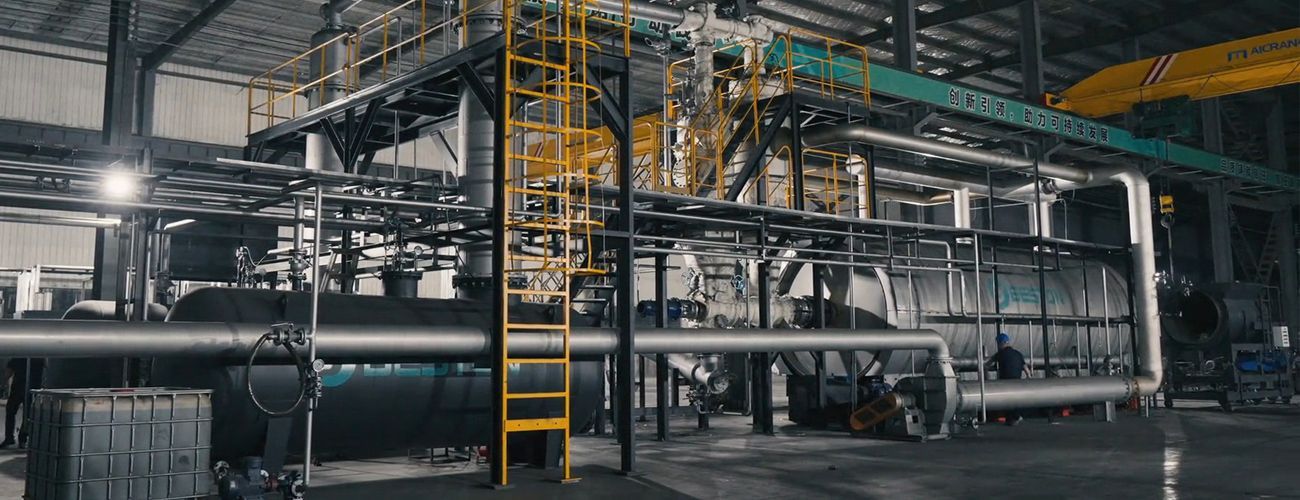
Inside the oxygen-free environment of a pyrolysis reactor, heat (typically 400-500°C for plastics) is applied. This thermal energy agitates the polymer chains, overcoming the chemical bonds that hold them together. This critical step is called thermal cracking.
- Material Transformation: The long polymer chains fracture into a wide spectrum of smaller hydrocarbon molecules. This creates a vapor mixture ranging from light gases (like methane and propene) to heavier hydrocarbon vapors.
- Energy Conversion: The electrical or thermal energy input to the reactor is converted into the internal energy (kinetic and potential) needed to break the chemical bonds. It's the essential "investment" to initiate the transformation.
Stage 2: Vapor Migration and Secondary Reactions
The newly cracked hydrocarbon vapors travel through the hot reactor. During this journey, secondary reactions occur. Smaller molecules may recombine (re-polymerize) into different mid-weight compounds. The absence of oxygen is crucial here; it prevents combustion (which would simply produce CO2 and water) and instead allows these complex hydrocarbon rearrangements to take place.
Stage 3: Condensation: From Vapor to Liquid Gold
The hot vapor mixture is then rapidly cooled (condensed) in a controlled system, such as a series of condensers.
- Material Transformation: This phase change is the heart of oil creation. As the vapor loses thermal energy, the molecules slow down and transition from a gaseous to a liquid state. What condenses is a complex, dark brown liquid: pyrolysis oil or plastic-derived oil. Lighter gases that do not condense at this temperature (syngas) are separated.
- Energy Conversion: The enthalpy of vaporization is released during condensation. This energy is often captured as hot water or transferred elsewhere in the process, improving overall system efficiency.
The Output: Not One, But Three Streams
A well-designed process yields three product streams, each an energy carrier:
- Pyrolysis Oil (~50-80% yield): The main liquid product. Its composition resembles a heavy fossil fuel crude, containing alkanes, alkenes, and aromatic compounds. It can be refined into diesel/blender fuels or used as a chemical feedstock.
- Non-Condensable Syngas (~10-30% yield): A mixture of gases like methane, hydrogen, and carbon monoxide. This gas is typically recycled to fuel the pyrolysis reactor's heater, creating a self-sustaining energy loop and drastically reducing external energy needs.
- Solid Char/Carbon Black (~5-20% yield): A carbon-rich residue containing fillers and pigments from the original plastic. It can potentially be used as a solid fuel or industrial carbon source.
The Energy Balance: A Self-Sustaining Cycle
The most elegant aspect of this transformation is the energy conversion loop. The syngas by-product, itself a product of the chemical energy stored in the plastic, is combusted to provide the thermal energy required for the cracking process. In an optimized system, once initiated, the process can often generate more than enough syngas to sustain itself, with excess gas available for electricity generation. The pyrolysis oil itself is a dense, transportable battery of chemical energy, ready for downstream use.
Conclusion: More Than Just Disposal
The journey from waste plastic to pyrolysis oil is a powerful demonstration of applied chemistry and thermodynamics. It moves beyond disposal to molecular recycling, breaking down waste to its basic hydrocarbon building blocks and reassembling them into a new, useful form. By understanding the intricate dance of material transformation and energy conversion within the pyrolysis process, we can better appreciate its role not just as a waste management tool, but as a cornerstone technology for a circular carbon economy, giving plastic waste a new life as a valuable energy and chemical resource.