Waste Plastic Pyrolysis Products: Applications of Light Oil, Heavy Oil, and Aromatic-Rich Fractions
Waste plastic pyrolysis is a thermochemical process that converts plastic waste into valuable hydrocarbon products under oxygen-free conditions. During heating, polymer chains break down into smaller hydrocarbon molecules, producing pyrolysis oil, non-condensable gas, and solid residues.
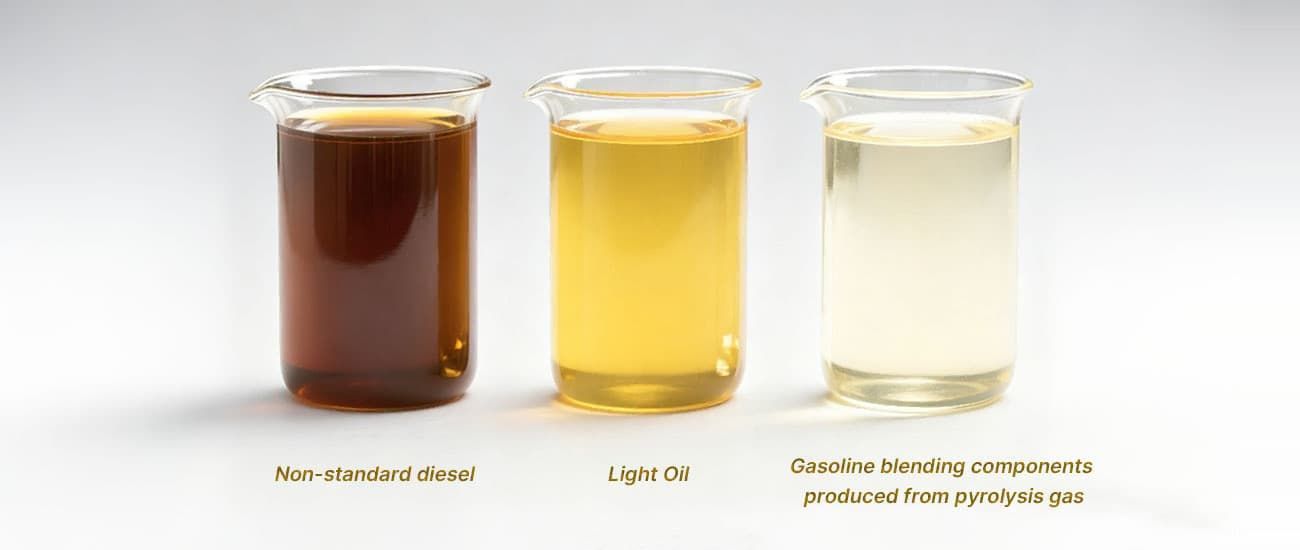
However, pyrolysis oil is not a single uniform product. Depending on feedstock composition, reaction temperature, residence time, and condensation conditions, it may contain light oil, heavy oil, and aromatic-rich fractions. Understanding their properties and potential applications helps businesses evaluate product quality and improve resource recovery.
1. Light Oil: A Potential Fuel and Chemical Feedstock
Light oil generally consists of relatively low-boiling hydrocarbons, including lighter aliphatic and aromatic compounds. Its composition depends on the plastic feedstock and pyrolysis operating conditions.
Compared with heavy oil, light oil typically has lower viscosity and better fluidity, making it easier to pump, store, and transport.
Potential applications include:
- Industrial Fuel Blending: After appropriate testing and treatment, certain light oil fractions may be used as components in industrial fuel blends, subject to applicable fuel specifications.
- Chemical Feedstock: Some light hydrocarbons can serve as feedstocks for further chemical processing or refining.
- Refinery Processing: Suitable fractions may be upgraded through distillation, hydrotreating, or other refining processes.
However, raw plastic pyrolysis light oil should not automatically be considered a finished commercial fuel. Its sulfur content, chlorine contamination, stability, and other properties must be evaluated before determining its intended use.
2. Heavy Oil: A Resource for Further Refining and Industrial Processing
Heavy oil fractions generally contain hydrocarbons with higher boiling points and molecular weights. They may include long-chain hydrocarbons, waxes, and heavier aromatic compounds.
Compared with light oil, heavy oil usually has higher viscosity and may contain components that solidify or become highly viscous at lower temperatures.
Its potential applications include:
- Industrial Fuel Production: After appropriate upgrading and quality control, certain heavy fractions may be used in industrial fuel applications.
- Refinery Feedstock: Heavy fractions can undergo further cracking or hydrotreatment to produce lighter hydrocarbons.
- Wax Recovery: Depending on feedstock and process conditions, wax-rich components may be separated and recovered for further processing.
- Chemical Processing: Selected heavy fractions may serve as raw materials for producing specialized hydrocarbon products.
For heavy oil recovery, temperature control is particularly important. Heating and insulation systems can help maintain fluidity during transfer and reduce the risk of pipeline or equipment blockage.
3. Aromatic-Rich Fractions: Potential Chemical Applications
Aromatic-rich fractions contain higher proportions of aromatic hydrocarbons, which feature one or more ring structures in their molecular composition.
Their formation is influenced by plastic type and pyrolysis conditions. Polystyrene, for example, can generate substantial aromatic compounds, including styrene and other aromatic products. Polyethylene and polypropylene generally produce more aliphatic hydrocarbons, although secondary reactions may also generate aromatic compounds.
Potential applications include:
- Chemical Raw Materials: Recoverable aromatic compounds may be separated and purified for use in chemical manufacturing.
- Aromatic Solvents: Certain purified aromatic hydrocarbons can be used in industrial solvent formulations, subject to product specifications.
- Petrochemical Processing: Selected aromatic fractions may be further processed or upgraded into valuable chemical intermediates.
It is important to distinguish between an aromatic-rich mixture and purified aromatic chemicals. Raw pyrolysis oil usually requires additional separation and purification before it can meet specific chemical industry requirements.
4. How Are Light Oil, Heavy Oil, and Aromatic Fractions Separated?
The composition of plastic pyrolysis oil varies with feedstock and reactor operating conditions. Therefore, separation processes should be selected according to the target product specifications.
Several technologies are commonly considered:
- Condensation: Pyrolysis vapors pass through cooling systems, where condensable hydrocarbons are converted into liquid oil.
- Fractional Distillation: Different hydrocarbon fractions are separated according to their boiling ranges.
- Filtration and Pretreatment: Solid particles and certain impurities are removed to improve downstream processing.
- Advanced Refining: Hydrotreatment, catalytic upgrading, and other purification methods can improve product quality and suitability for specific applications.
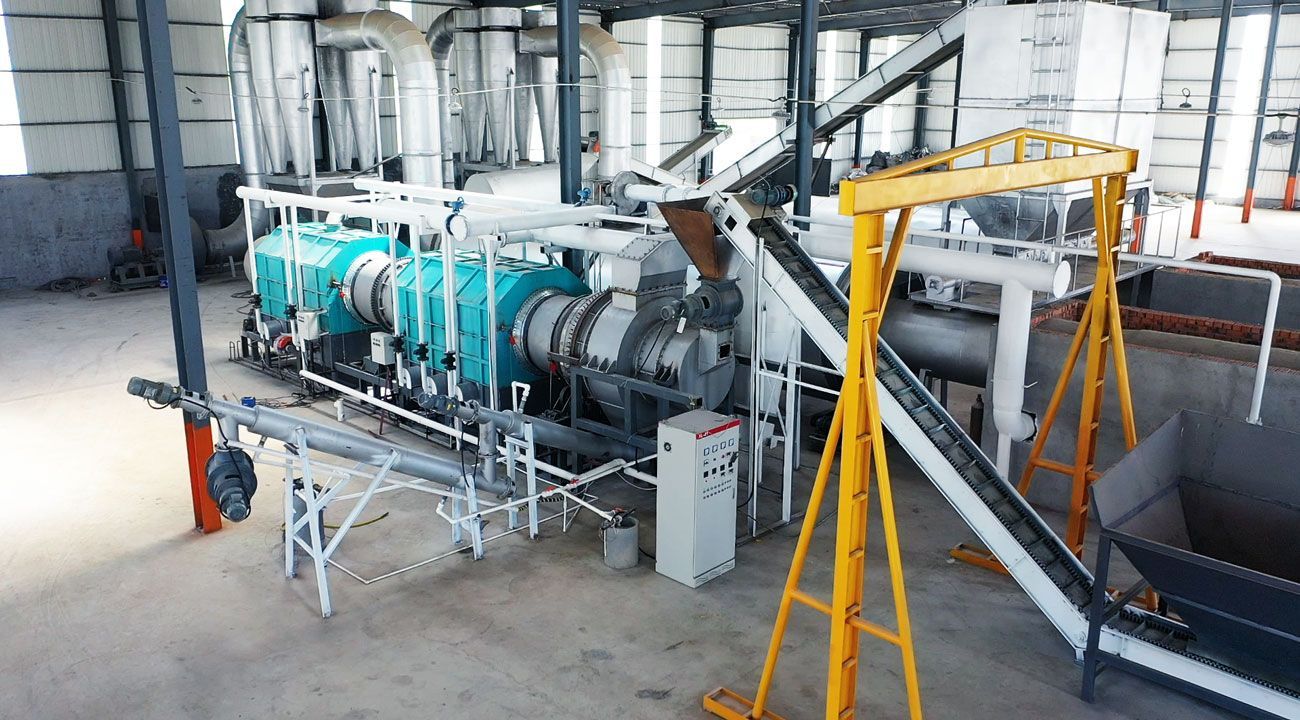
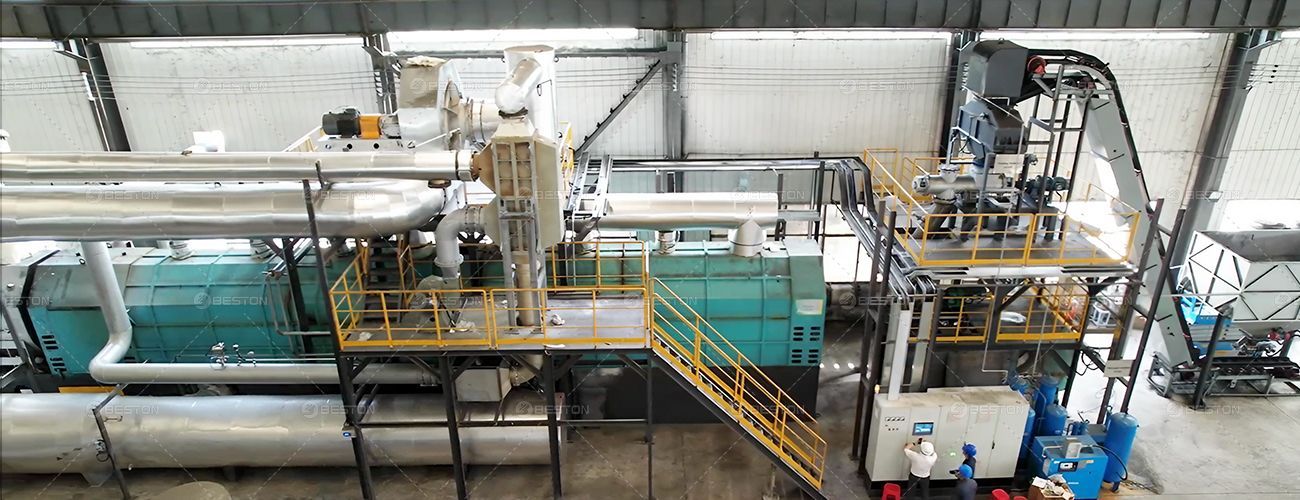
A properly designed plastic pyrolysis plant should consider the entire vapor condensation and oil collection system rather than focusing only on reactor performance.
The configuration of condensers, temperature control, oil storage, and downstream separation equipment all influence the final product distribution and quality.
5. What Factors Affect the Quality of Pyrolysis Oil?
Several factors determine the composition and commercial value of plastic pyrolysis products.
Feedstock Composition: PE and PP generally produce hydrocarbon-rich oils, while PS tends to generate more aromatic compounds. PVC requires special consideration because chlorine-containing compounds can contaminate products and create corrosion and emissions challenges.
Pyrolysis Temperature: Temperature influences polymer decomposition, vapor composition, and secondary cracking reactions.
Residence Time: Vapor residence time affects secondary reactions, including cracking and aromatization.
Condensation Conditions: Cooling temperature and condenser configuration influence which compounds are recovered as liquid products and which remain in the non-condensable gas stream.
Product Testing: Properties such as boiling range, viscosity, density, sulfur, chlorine, and aromatic content should be evaluated to determine suitable downstream applications.
Conclusion
Waste plastic pyrolysis produces a range of hydrocarbon products with different physical and chemical properties. Light oil may be suitable for fuel blending or further chemical processing, heavy oil can serve as a refining feedstock, and aromatic-rich fractions offer potential value in chemical manufacturing.
However, their actual applications depend on composition, separation efficiency, purification requirements, and relevant quality standards. By optimizing feedstock preparation, pyrolysis conditions, and condensation systems, businesses can improve product consistency and maximize the resource recovery potential of waste plastic pyrolysis.