Biochar Reactor: Key Materials and Safe Operation and Maintenance Guidelines
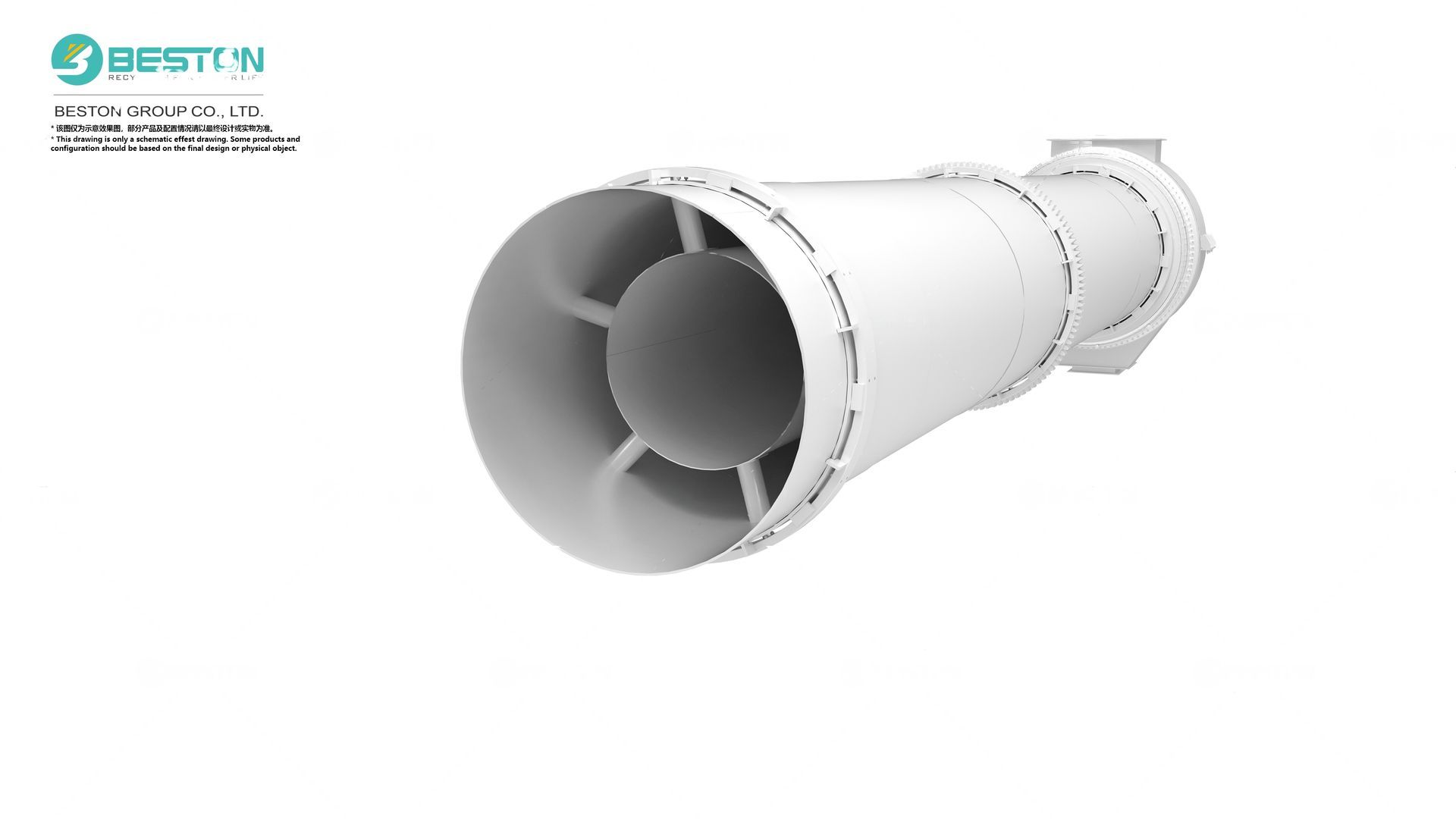
A biochar reactor operates under high temperatures and oxygen-free or oxygen-limited conditions. During continuous operation, the reactor is exposed to thermal stress, hot gases, volatile compounds, and abrasive biomass materials. Therefore, material selection, sealing performance, pressure control, and proper maintenance are essential for ensuring equipment reliability and operational safety.
This article introduces the key material requirements and safety considerations for biochar reactor operation, including high-temperature protection, cooling, discharge, and maintenance procedures.
1. High-Temperature Material Selection
The reactor's high-temperature section is one of the most critical components of a biochar production system. It must withstand prolonged heating, thermal expansion, and potential chemical corrosion caused by volatile compounds.
Common material considerations include:
- Heat-Resistant Steel: Suitable heat-resistant alloy steels can be used for reactor shells and internal components exposed to elevated temperatures. The specific grade should be selected according to operating temperature and corrosion conditions.
- Refractory Materials: Refractory linings help protect the reactor structure from direct heat exposure, reduce heat loss, and improve thermal stability.
- Thermal Insulation: Ceramic fiber and other suitable insulation materials can reduce heat dissipation and improve energy efficiency.
Material selection should consider maximum operating temperature, thermal cycling, feedstock characteristics, and expected service life. Simply choosing a material with a high temperature rating does not guarantee long-term durability.
2. Sealing and Pressure Control
Maintaining a controlled atmosphere inside the biochar reactor is essential for preventing unwanted oxygen entry and combustible gas leakage.
A reliable sealing structure should be installed at critical connections, including feeding inlets, discharge outlets, inspection ports, and rotating interfaces.
Pressure control is another important consideration. Depending on the reactor design, the system may operate under slight negative pressure or controlled slight positive pressure.
For negative-pressure systems, an induced-draft fan can regulate gas extraction to maintain the specified operating range. Excessive negative pressure, however, may increase air ingress through imperfect seals.
Pressure transmitters should continuously monitor reactor conditions. When pressure exceeds predefined limits, the control system should trigger alarms and initiate appropriate protective actions.
For biochar production equipment, sealing performance and pressure regulation should be considered together rather than treated as independent functions.
3. Cooling and Discharge Safety
Biochar discharged directly from a high-temperature reactor can react with oxygen, potentially causing oxidation, overheating, or spontaneous ignition.
Therefore, a controlled cooling system is necessary before the product is exposed to ambient air.
Common safety measures include:
- Closed Cooling: Use sealed cooling equipment to reduce biochar temperature while limiting oxygen exposure.
- Controlled Discharge: Ensure that discharge devices operate smoothly without allowing uncontrolled air entry.
- Temperature Monitoring: Install temperature sensors at appropriate cooling and discharge points.
- Safe Storage: Confirm that biochar has reached a suitable temperature before collection and storage.
Operators should also monitor abnormal temperature increases during cooling, as these may indicate incomplete cooling or air ingress.
4. Safe Startup and Shutdown Procedures
Standardized startup and shutdown procedures help prevent thermal damage, gas accumulation, and unexpected combustion.
Before startup, operators should inspect reactor connections, sealing components, pressure instruments, cooling systems, and gas treatment equipment. The system should undergo the specified leak checks and approved inerting procedures before heating.
During normal operation, operators should continuously monitor reactor temperature, pressure, feeding rate, and gas handling conditions.
For shutdown, feedstock supply should be stopped according to the designed sequence. Heating and gas handling systems should then follow the approved shutdown procedure. Nitrogen purging may be required to displace oxygen or combustible gases, depending on the shutdown scenario.
The reactor should not be opened until it has cooled to a safe temperature and the atmosphere has been verified as safe. Operators must never rely on temperature readings alone when entering or opening potentially hazardous equipment.
5. Routine Maintenance and Inspection
Regular maintenance helps identify equipment deterioration before it develops into a serious failure.
Important inspection points include:
- Reactor Shell: Check for deformation, cracks, corrosion, and abnormal wear.
- Sealing Components: Inspect mechanical seals, packing, gaskets, and connection points for leakage.
- Refractory Lining: Look for cracks, detachment, and localized damage.
- Pressure Instruments: Verify transmitter accuracy, alarm functions, and control responses.
- Cooling System: Check cooling performance, circulation components, and discharge equipment.
- Drive System: Inspect motors, bearings, gears, and transmission components.
Before maintenance, the equipment should be isolated from energy sources, depressurized, cooled, and purged when required. Lockout/tagout procedures should be implemented to prevent accidental startup.
Any work involving confined spaces, hot surfaces, or combustible gases must follow approved safety procedures and permit requirements.
Conclusion
The safe and reliable operation of a biochar reactor depends on more than its heating capacity. High-temperature material selection, effective sealing, stable pressure control, controlled cooling, and standardized maintenance procedures all play important roles.
By selecting suitable construction materials and implementing systematic inspection and operational controls, businesses can reduce equipment wear, minimize safety risks, and improve the long-term stability of biochar production operations.