How Automated Charcoal Manufacturing Machine Improves Production Consistency and Operational Safety
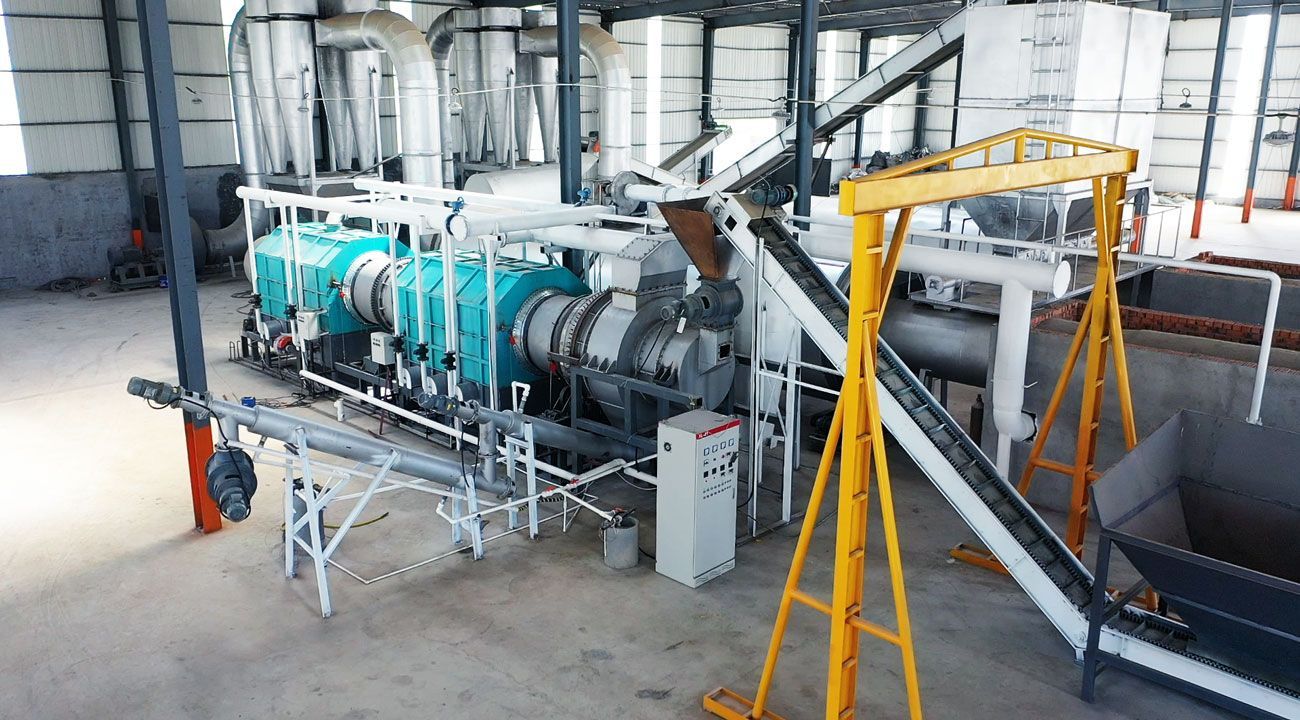
Automation is becoming increasingly important in modern charcoal production. Traditional charcoal manufacturing often relies on manual feeding, temperature adjustments, and material handling, making production consistency highly dependent on operator experience. These practices can introduce operational variability, increase labor requirements, and complicate quality control.
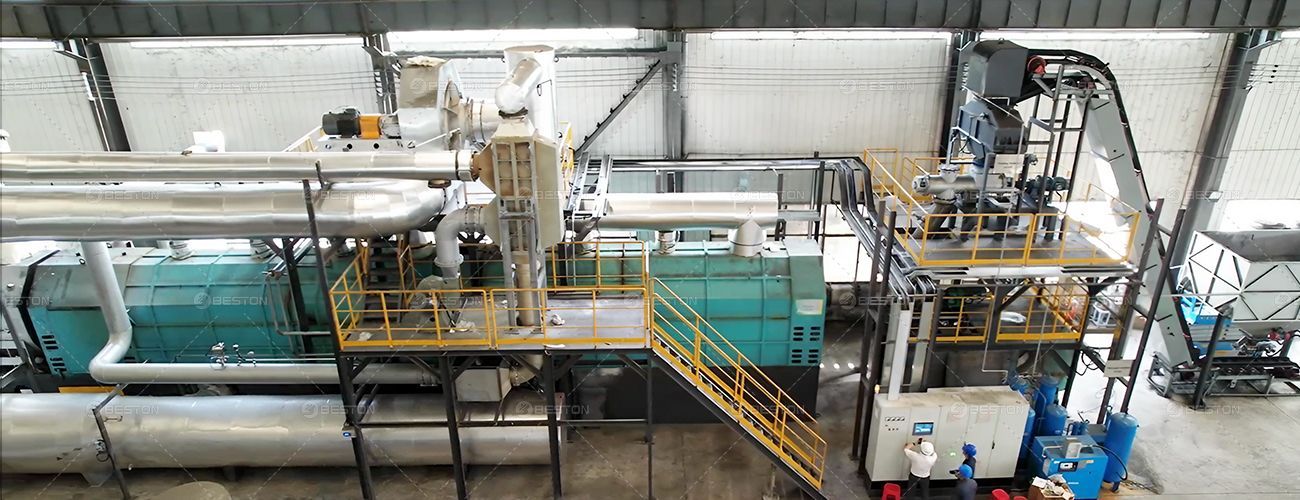
An automated charcoal manufacturing machine integrates process monitoring, temperature regulation, feeding mechanisms, and equipment coordination into a unified operating system. By reducing unnecessary manual intervention, automation helps maintain stable production conditions, improve product uniformity, and strengthen operational safety.
1. Automated Feeding Ensures Consistent Raw Material Input
Feedstock consistency is a prerequisite for stable charcoal production. Variations in material size, moisture content, and feeding rates can affect heat transfer, carbonization efficiency, and final product characteristics.
An automated feeding system helps regulate the quantity and frequency of raw material entering the carbonization equipment. Compared with manual feeding, this arrangement offers several operational advantages:
- Controlled feeding rate: Maintains a more consistent material supply and reduces fluctuations in processing conditions.
- Improved material distribution: Supports uniform feedstock movement through the processing system.
- Reduced manual handling: Limits direct operator involvement in repetitive material transfer activities.
- Better process coordination: Synchronizes feeding operations with the carbonization system.
For continuous production lines, automated feeding is particularly important because interruptions in material supply may affect overall process stability.
2. Intelligent Temperature Control Improves Carbonization Consistency
Temperature is one of the most influential variables in charcoal production. Inadequate thermal treatment may leave excessive volatile matter, while inappropriate heating conditions can affect carbonization efficiency and product quality.
An automated control system for a charcoal manufacturing machine uses temperature sensors and programmable logic controllers (PLCs) to monitor operating conditions and regulate relevant equipment according to predefined parameters.
Its main functions include:
- Real-time temperature monitoring: Tracks thermal conditions at designated monitoring points.
- Automatic adjustment: Coordinates heating equipment to maintain the specified operating range.
- Abnormality detection: Identifies temperature deviations and triggers alarms when operating conditions exceed configured limits.
- Process parameter recording: Retains operational data for production analysis and quality management.
This reduces dependence on subjective manual adjustments. More importantly, it helps establish repeatable carbonization conditions across successive production cycles.
3. Automated Discharging Reduces Operational Variability
Charcoal discharge is another important stage affecting production continuity and workplace safety. Manual handling of hot materials can increase operator exposure to elevated temperatures and introduce inconsistencies in material transfer.
An automated discharge mechanism coordinates material removal according to the equipment configuration and operating sequence.
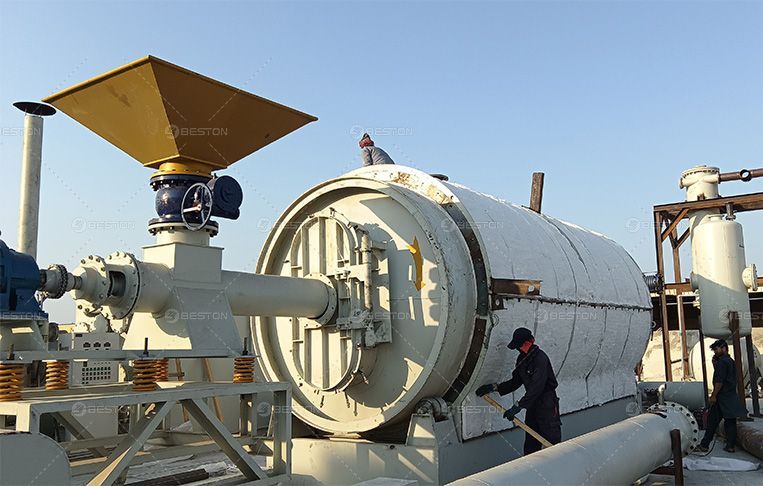
For example, a rotary carbonization system can use controlled mechanical movement to facilitate material discharge. Appropriate cooling arrangements are also necessary to bring charcoal to a suitable handling temperature before downstream collection or packaging.
Automated material transfer offers several benefits:
- More consistent discharge operations.
- Reduced direct contact between operators and hot materials.
- Lower dependence on repetitive manual handling.
- Improved coordination between carbonization, cooling, and collection systems.
These functions help maintain a more orderly production workflow.
4. Integrated Safety Systems Reduce Operational Risks
Charcoal production involves high temperatures, combustible gases, rotating machinery, and potentially hazardous operating conditions. Automation can improve safety by providing continuous monitoring and coordinated equipment protection.
A properly configured charcoal manufacturing machine may incorporate several safety-related features:
Temperature and Pressure Monitoring: Sensors monitor designated operating parameters and provide alarms when abnormal conditions are detected.
Gas Handling and Monitoring: Appropriate gas collection, treatment, and combustion arrangements help manage combustible process gases. Gas leakage detection and ventilation provisions may also be incorporated according to the facility design.
Electrical Protection: Control cabinets and electrical protection devices help safeguard equipment against specified electrical faults.
Emergency Shutdown Functions: Interlocked controls allow the system to initiate predefined shutdown responses when designated safety conditions are triggered.
Automation does not eliminate industrial hazards. Equipment safeguards, appropriate ventilation, fire protection, operator training, and established emergency procedures remain essential.
5. Production Data Supports Quality Management
Automated systems provide more than operational control. They also generate useful production data that can support process optimization and equipment management.
By recording temperature profiles, operating duration, feeding conditions, and equipment status, operators can identify recurring deviations and evaluate production performance.
These records support several management activities:
- Batch comparison: Identifies variations between production cycles.
- Performance evaluation: Helps assess equipment operating efficiency.
- Preventive maintenance: Provides information for identifying abnormal operating trends.
- Process optimization: Supports adjustments to operating parameters based on recorded results.
Data traceability is particularly valuable for manufacturers supplying charcoal to industrial users with defined product specifications.
6. Long-Term Benefits of Automation in Charcoal Production
Although automation requires additional investment in control systems, sensors, electrical components, and auxiliary equipment, its benefits extend across the equipment lifecycle.
More stable processing conditions can reduce avoidable production fluctuations. Automated material handling can lower repetitive labor requirements, while integrated monitoring helps operators identify equipment abnormalities earlier.
The actual benefits depend on plant capacity, feedstock characteristics, equipment configuration, and the level of automation adopted. Proper commissioning and operator training are also necessary to achieve the intended performance.
Conclusion
Automation improves charcoal production by coordinating feeding, temperature regulation, material discharge, and operational monitoring. These functions help establish more consistent carbonization conditions while reducing unnecessary manual intervention.
For industrial producers, an automated charcoal manufacturing machine offers a more systematic approach to production management. When combined with appropriate engineering safeguards and preventive maintenance, automation can improve product consistency, operational reliability, and workplace safety.