How Biochar Production Aligns with Puro.earth and EBC Standards for Carbon Dioxide Removal (CDR)
Biochar has rapidly become one of the most credible and scalable solutions for carbon dioxide removal (CDR). Unlike many emerging climate technologies that are still in pilot phases, biochar production is already commercially active, measurable, and verifiable under internationally recognized carbon accounting frameworks. Two of the most important standards driving this credibility are the methodologies used by Puro.earth and the certification guidelines established by the European Biochar Certificate (EBC).
Together, these frameworks define how biochar projects must be designed, monitored, and verified to qualify as high-integrity carbon dioxide removal. At the center of this system is the technology that makes it all possible: the biochar pyrolysis machine, which converts biomass into stable carbon while controlling emissions and ensuring traceability.
1. Biochar as a Recognized Carbon Dioxide Removal Pathway
Carbon dioxide removal is no longer a theoretical concept—it is a regulated and audited industry. Biochar qualifies as a durable carbon storage method because it locks carbon into a solid form that can remain stable in soil or materials for hundreds to thousands of years.
Under CDR frameworks, the key requirement is permanence. Biochar meets this requirement by converting unstable biomass carbon into a highly resistant aromatic carbon structure through pyrolysis. When properly produced and applied, this prevents the carbon from rapidly re-entering the atmosphere through decomposition or combustion.
Both Puro.earth and EBC recognize this durability, but only when production follows strict technical and environmental rules.
2. Role of Pyrolysis Technology in Carbon Integrity
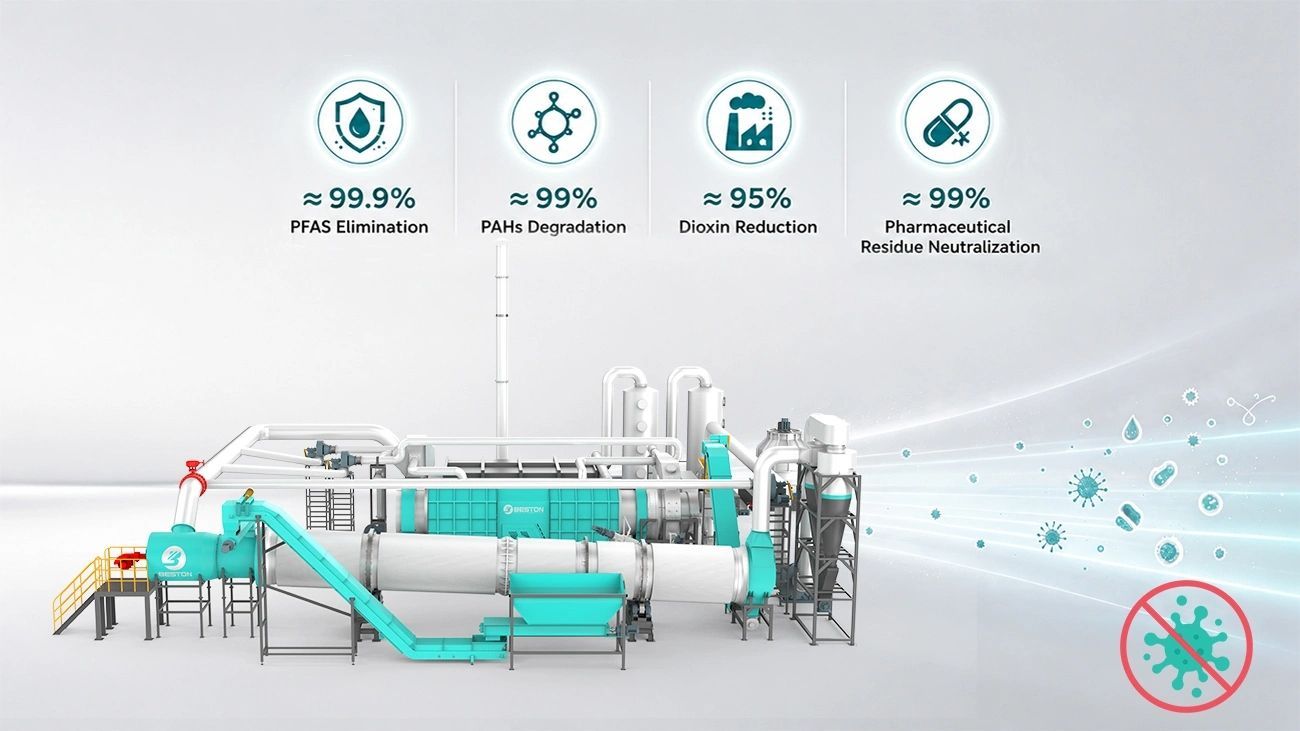
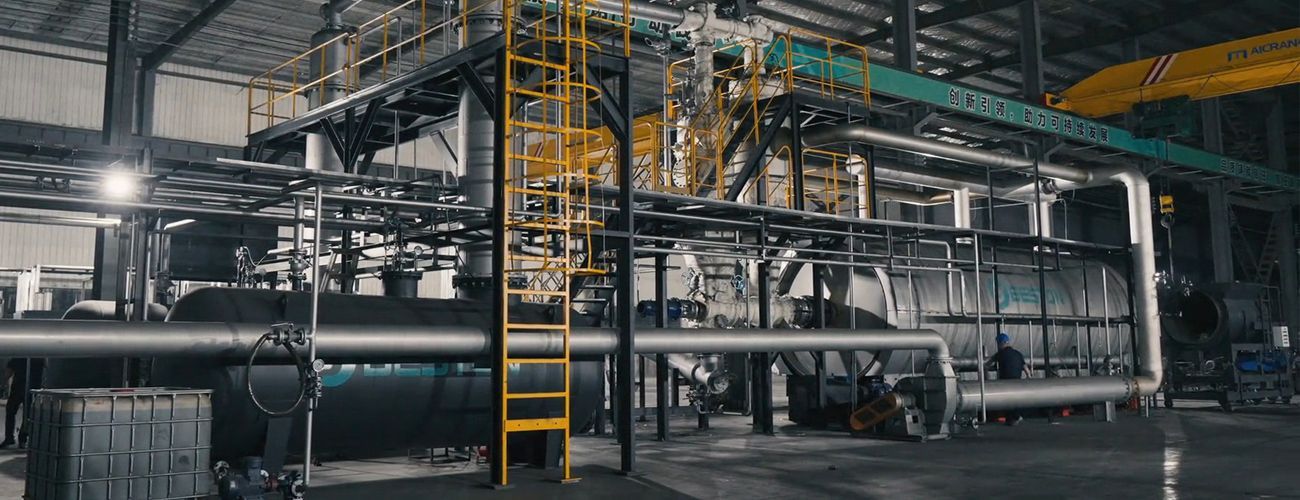
The quality and carbon stability of biochar depend heavily on how it is produced. This is where the biochar pyrolysis machine plays a critical role. These systems are not simple burners—they are controlled thermochemical reactors designed to optimize carbon conversion while minimizing emissions.
To meet certification requirements, pyrolysis systems must ensure:
- Stable oxygen-limited conditions to prevent combustion
- Controlled temperature ranges (typically 400–700°C)
- High carbon retention in the final product
- Effective capture or utilization of syngas and bio-oil byproducts
If these parameters are not carefully managed, the resulting material may not qualify as certified carbon removal. This is why advanced, monitored, and automated pyrolysis systems are essential for compliance.
3. Alignment with Puro.earth Methodology
Puro.earth has developed one of the most widely recognized commercial frameworks for issuing carbon removal credits. Its methodology for biochar focuses on lifecycle accounting, ensuring that every stage—from feedstock sourcing to final application—is measured.
Key compliance requirements include:
- Sustainable biomass sourcing (no deforestation or high-risk feedstock)
- Full lifecycle carbon accounting (including energy inputs and transport emissions)
- Verified carbon content in produced biochar
- End-use tracking (soil application, construction, or materials)
- Independent third-party auditing
The goal is to ensure that every issued carbon credit corresponds to real, measurable, and additional CO₂ removal.
For producers, this means biochar is not just a material product—it is a carbon asset that must be traceable from production to sequestration.
4. European Biochar Certificate (EBC) Quality and Safety Standards
The European Biochar Certificate provides a complementary framework that focuses more on material safety, environmental impact, and application suitability.
While Puro.earth emphasizes carbon accounting, EBC ensures that the biochar itself is safe and effective for use in soil or other applications.
EBC certification evaluates:
- Heavy metal content and contaminant thresholds
- Feedstock sustainability and origin
- Pyrolysis process conditions
- Stability and carbon content of final biochar
- Agronomic safety for soil application
This dual focus ensures that biochar is not only a carbon sink but also a safe and beneficial material for ecosystems.
5. Why Production Systems Must Be Certified and Controlled
One of the biggest challenges in the biochar industry is consistency. Small variations in temperature, feedstock composition, or oxygen exposure can significantly change the carbon stability and safety of the final product.
Modern certified systems rely on automation, real-time monitoring, and standardized reactor designs. Without these controls, producers risk producing biochar that fails certification tests or underperforms in carbon sequestration value.
This is why industrial-scale adoption increasingly depends on integrated systems like the biochar pyrolysis machine, which can maintain stable conditions and generate auditable production data.
6. Carbon Markets and Economic Incentives
Certification under Puro.earth and EBC does more than validate environmental impact—it unlocks access to premium carbon markets. Companies purchasing carbon removal credits require proof of durability, traceability, and additionality.
Certified biochar projects can generate revenue from:
- Carbon credit sales
- Sustainable agriculture markets
- Soil improvement products
- Industrial carbon materials
This multi-revenue model makes biochar one of the most economically viable CDR technologies available today.
Conclusion
Biochar production sits at the intersection of climate science, industrial engineering, and global carbon markets. Its alignment with frameworks like Puro.earth and the European Biochar Certificate ensures that it is not only effective but also verifiable and scalable.
At the core of this system is the biochar pyrolysis machine, which transforms raw biomass into a stable, certifiable carbon sink. As demand for high-integrity carbon dioxide removal grows, biochar is positioned to remain one of the most trusted and commercially viable solutions in the global climate strategy toolkit.