Full Line Sawdust Charcoal Machines: Carbonization and Briquetting Solutions
As the global demand for sustainable fuel alternatives continues to grow, sawdust charcoal production has become an attractive business opportunity. Agricultural and forestry residues such as sawdust, wood chips, rice husks, and other biomass materials can be converted into high-value charcoal products through an efficient production process. A full line sawdust charcoal machine integrates multiple stages of production, transforming raw biomass waste into uniform charcoal briquettes suitable for domestic and industrial applications.
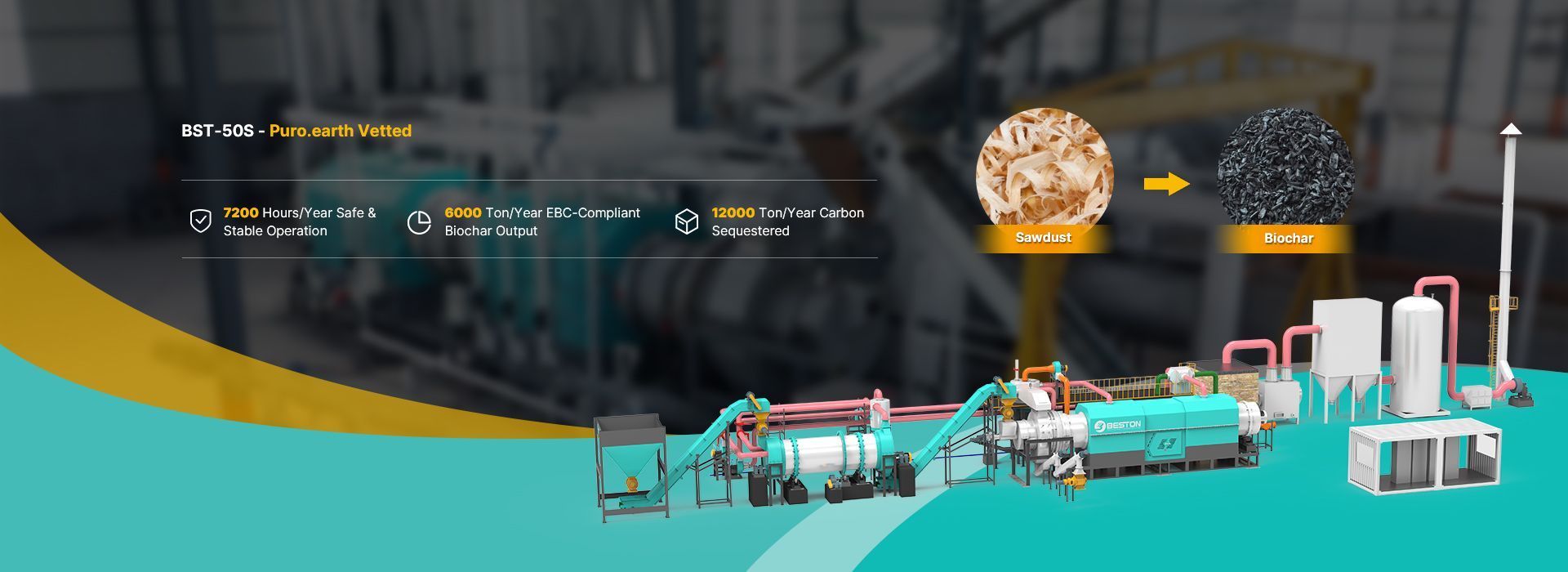
The complete production line typically consists of raw material preparation, drying, carbonization, crushing, briquetting, and final packaging. By combining advanced carbonization and molding technologies, manufacturers can achieve stable production, improved product quality, and higher profitability.
Raw Material Preparation
The production process begins with collecting and preparing biomass materials. Sawdust is one of the most popular raw materials because of its availability and relatively uniform particle size. Depending on the source material, crushing or screening may be required to ensure consistent feedstock quality before further processing.
Moisture control is particularly important. Excessive moisture can reduce production efficiency and negatively affect both carbonization and briquette quality. Therefore, raw materials are often dried to the appropriate moisture level before entering the next stage.
Carbonization Process
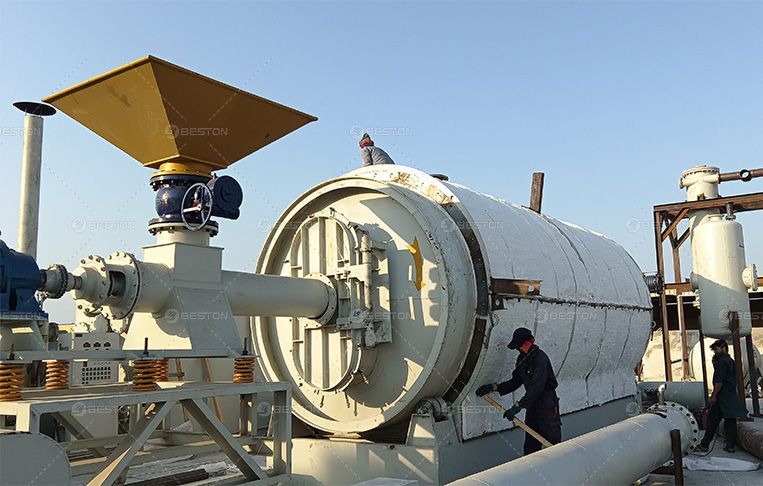
Carbonization is the core step in charcoal production. During this process, biomass is heated in a low-oxygen environment, causing moisture and volatile substances to evaporate while leaving behind carbon-rich charcoal.
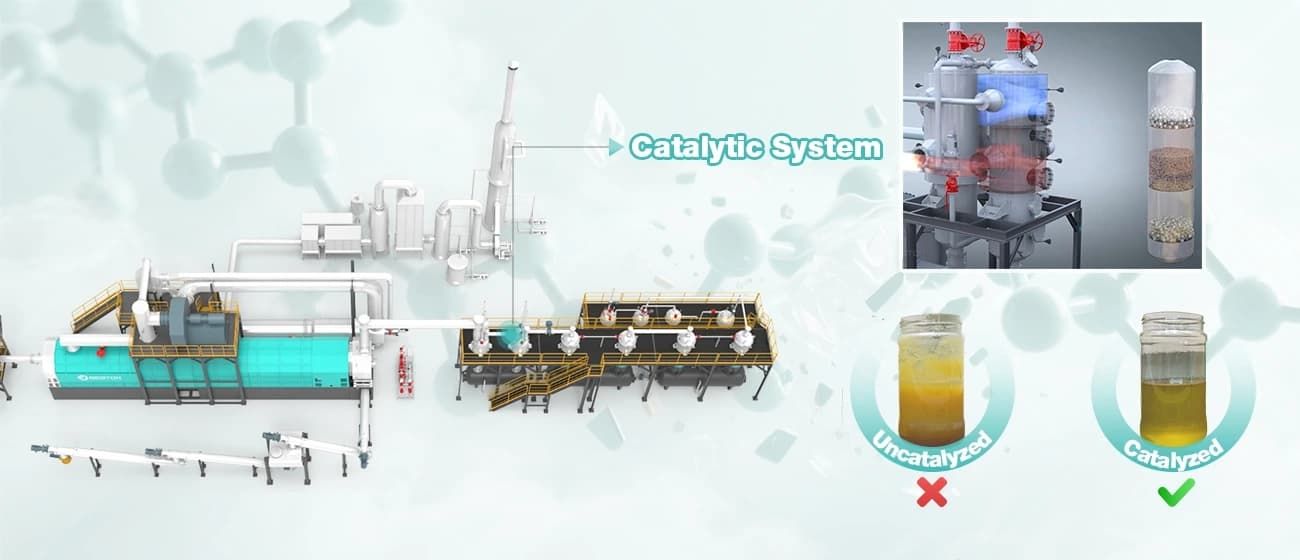
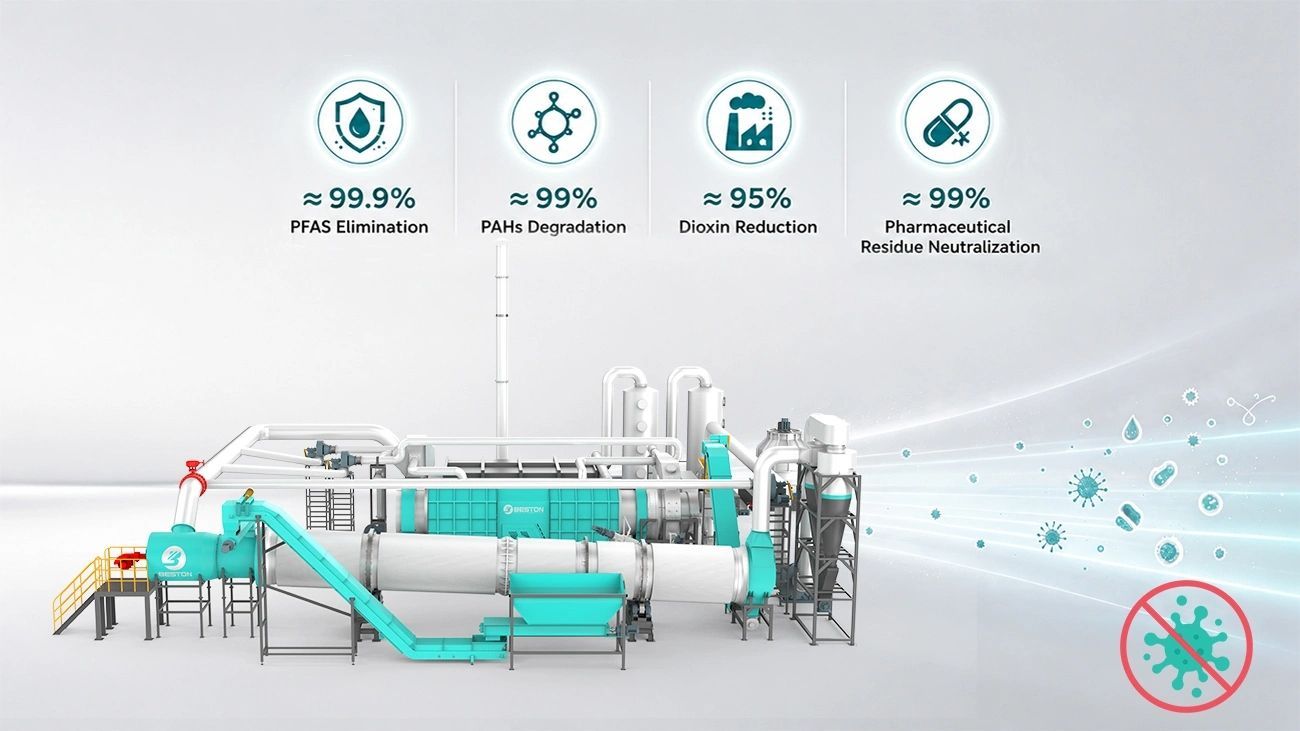
Modern carbonization equipment offers significant advantages over traditional kilns. A high-quality carbonization furnace can provide precise temperature control, improve charcoal yield, and reduce environmental emissions. Some systems are also designed to recycle combustible gases generated during carbonization, using them as an additional heat source to reduce fuel consumption.
The resulting charcoal has a higher fixed carbon content, lower moisture level, and improved combustion performance compared to untreated biomass.
Charcoal Crushing and Mixing
After carbonization, the charcoal is typically crushed into fine powder. Uniform particle size is essential for producing strong and consistent briquettes. Depending on product requirements, binders may be added during the mixing process to improve briquette strength and durability.
Proper mixing ensures that the charcoal powder can be compressed effectively during the molding stage, resulting in products with a smooth appearance and stable structure.
Briquetting and Molding
The briquetting process transforms charcoal powder into finished charcoal products. A briquetting machine applies pressure to compress the material into various shapes, including rods, cylinders, hexagonal briquettes, and customized designs.
The molding stage offers several benefits:
- Increased density and energy value
- Improved transportation and storage efficiency
- More uniform burning performance
- Enhanced product appearance and market value
Different briquette shapes can be produced according to customer preferences and target markets.
Final Drying and Packaging
Freshly formed charcoal briquettes may require additional drying before packaging. This step helps improve mechanical strength and reduces the risk of breakage during transportation.
Once dried, the finished products can be packaged for wholesale distribution, retail sales, barbecue fuel applications, industrial heating, or other commercial uses.
Advantages of a Full Line Sawdust Charcoal Machine
A complete charcoal production line offers several advantages compared to standalone equipment. Integrated systems streamline production, reduce labor requirements, and improve overall operational efficiency. Automated control systems can also help maintain consistent product quality while minimizing energy consumption.
In addition, utilizing sawdust and other biomass residues contributes to waste reduction and resource recycling. This environmentally friendly approach supports sustainable development while creating additional economic value from materials that might otherwise be discarded.
Conclusion
A full line sawdust charcoal machine combines carbonization and briquetting technologies to convert biomass waste into valuable charcoal products. From raw material preparation and carbonization to charcoal molding and packaging, the integrated production process ensures efficient operation and consistent product quality. For businesses seeking to enter the biomass fuel industry or expand existing operations, a complete sawdust charcoal production line provides a reliable and cost-effective solution for producing high-quality charcoal briquettes.