SBTi 2.0 Drives Biochar Adoption as Carbon Removal Becomes Mandatory
The global climate strategy landscape is entering a new phase. For years, companies have focused primarily on reducing operational emissions through renewable energy, efficiency improvements, and supply chain optimization. However, the next generation of corporate climate commitments is expected to place increasing attention on a new requirement: measurable and durable carbon removal.
With the evolution of frameworks such as the Science Based Targets initiative (SBTi) and its future net-zero guidance, businesses are preparing for a world where reducing emissions alone may no longer be sufficient. Companies pursuing credible net-zero pathways will need to address unavoidable residual emissions through high-quality Carbon Dioxide Removal (CDR) solutions.
This shift is creating a major opportunity for biochar technology. As one of the most scalable and cost-effective forms of durable carbon removal, biochar production is becoming a strategic investment for companies seeking reliable climate solutions.
From “Optional Offset” to Strategic Carbon Infrastructure
In the early carbon market, carbon removal was often viewed as a voluntary sustainability initiative or an additional environmental benefit. Today, the market is moving toward a different model: permanent carbon removal is becoming an essential component of credible net-zero strategies. Companies will increasingly need access to carbon removal solutions that offer:
- Long-term carbon storage durability
- Transparent measurement and verification
- Scalable deployment potential
- Competitive cost efficiency
Biochar meets many of these requirements by converting biomass into a stable carbon-rich material that can store atmospheric carbon for extended periods.
Unlike temporary emission reduction projects, biochar-based carbon removal creates measurable physical carbon storage. This makes it attractive for corporations looking to strengthen their climate commitments while preparing for stricter future standards.
Why Biochar Equipment Is Becoming a Corporate Climate Asset
The growth of carbon removal demand is changing how companies view industrial equipment. Instead of seeing biochar production as only an agricultural or waste management solution, businesses are beginning to recognize it as carbon removal infrastructure.
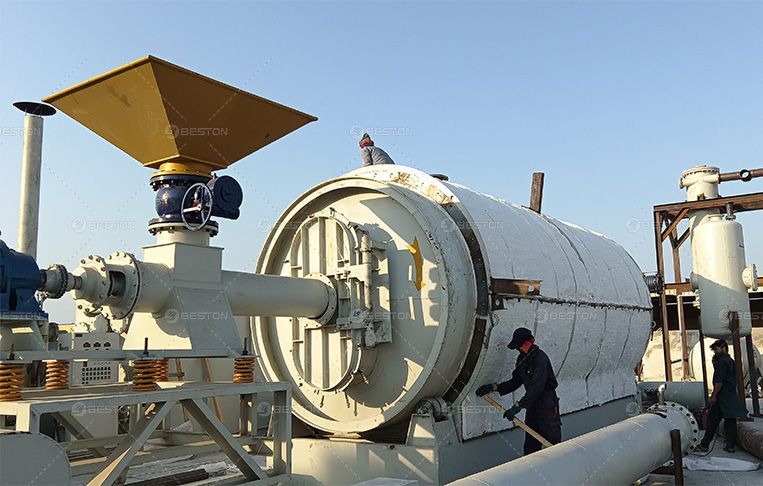
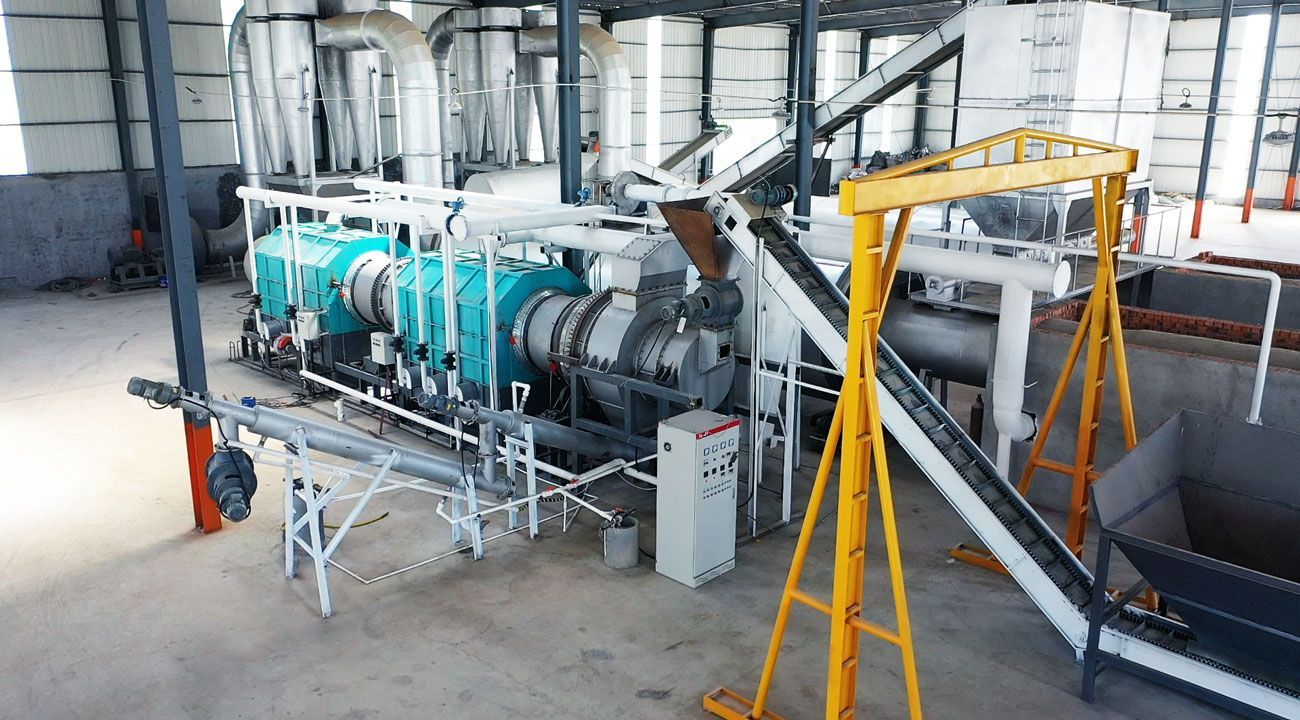
Advanced carbonization equipment enables organizations and project developers to transform biomass resources into durable carbon products while creating measurable climate impact. Modern systems are designed to provide:
- Stable carbonization processes
- High fixed-carbon biochar output
- Improved energy efficiency
- Automated operational monitoring
- Scalable production capacity
These features make carbonization technology a practical pathway for companies that need to build reliable carbon removal supply chains.
The Competitive Advantage of Investing Early
As demand for carbon removal increases, access to high-quality CDR capacity may become a competitive advantage.
Companies that secure biochar carbon removal partnerships early can benefit from:
1. Greater Carbon Credit Availability
The supply of durable carbon removal credits remains limited compared with future corporate demand. Early investment allows companies to establish relationships with reliable suppliers before market competition intensifies.
2. Improved Sustainability Credibility
Customers, investors, and regulators are increasingly evaluating corporate climate claims. Supporting verified carbon removal projects can strengthen a company’s environmental strategy and demonstrate commitment beyond basic emission reduction.
3. Long-Term Cost Protection
As carbon removal demand grows, prices for high-quality credits may increase. Developing access to scalable biochar production capacity can help businesses manage future climate compliance costs.
Biochar as a Scalable Industrial Carbon Removal Solution
One reason biochar is gaining attention is its combination of technical maturity and scalability. Compared with many emerging carbon removal technologies, biochar can be deployed using existing biomass resources and industrial processing methods. Agricultural residues, forestry by-products, and organic waste streams can become feedstocks for carbon removal projects.
A well-designed biochar facility can also create additional economic value through:
- Biochar sales for agricultural applications
- Renewable energy recovery from pyrolysis processes
- Carbon credit generation
- Circular economy benefits
This multi-value approach improves project economics while supporting global decarbonization goals.
Equipment Selection Will Define Future Carbon Markets
As corporate demand for carbon removal accelerates, not all biochar production systems will deliver equal value. Equipment quality, process stability, and data transparency will become critical factors in determining whether projects can successfully participate in premium carbon markets.
Companies evaluating biochar solutions should consider whether their technology partner provides reliable production control, consistent carbon quality, and the operational data required for carbon accounting.
The future of carbon removal will not only depend on producing more biochar—it will depend on producing verifiable, high-quality, and market-ready carbon removal.
Conclusion: Preparing for the Carbon Removal Economy
The transition from emission reduction to carbon removal represents one of the biggest changes in corporate climate strategy. As net-zero frameworks evolve, companies will need practical solutions that deliver permanent carbon storage at industrial scale.
Biochar technology, supported by advanced carbonization equipment, offers a pathway that combines scalability, affordability, and measurable climate impact.
For businesses preparing for the next generation of sustainability requirements, investing in biochar carbon removal capacity is no longer just an environmental initiative. It is becoming a strategic decision for future carbon management, compliance readiness, and long-term climate competitiveness.