Pyrolysis Plant Installation and Commissioning: From Equipment Assembly to Performance Testing
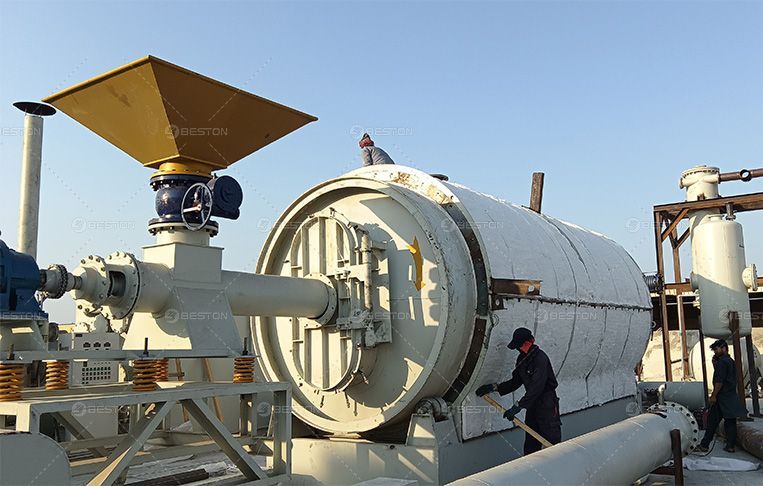
Installing a pyrolysis plant involves more than positioning the reactor and connecting auxiliary equipment. Successful commissioning requires coordinated mechanical assembly, utility integration, instrumentation verification, safety inspections, and performance testing. Each stage establishes the conditions for reliable operation and helps identify installation defects before commercial production begins. For a Beston pyrolysis plant, the installation plan should reflect the equipment configuration, feedstock characteristics, site infrastructure, and applicable local regulations.
Equipment Assembly and Site Preparation
Installation begins with a site-readiness assessment. The foundation must meet the equipment supplier's requirements for load-bearing capacity, levelness, anchoring, and vibration control. Access roads, unloading areas, lifting equipment, and maintenance clearances should also be confirmed before delivery.
Once the equipment arrives, components are inspected against the packing list and technical documentation. Transport damage, missing parts, and deviations from approved drawings should be recorded and resolved before assembly proceeds.
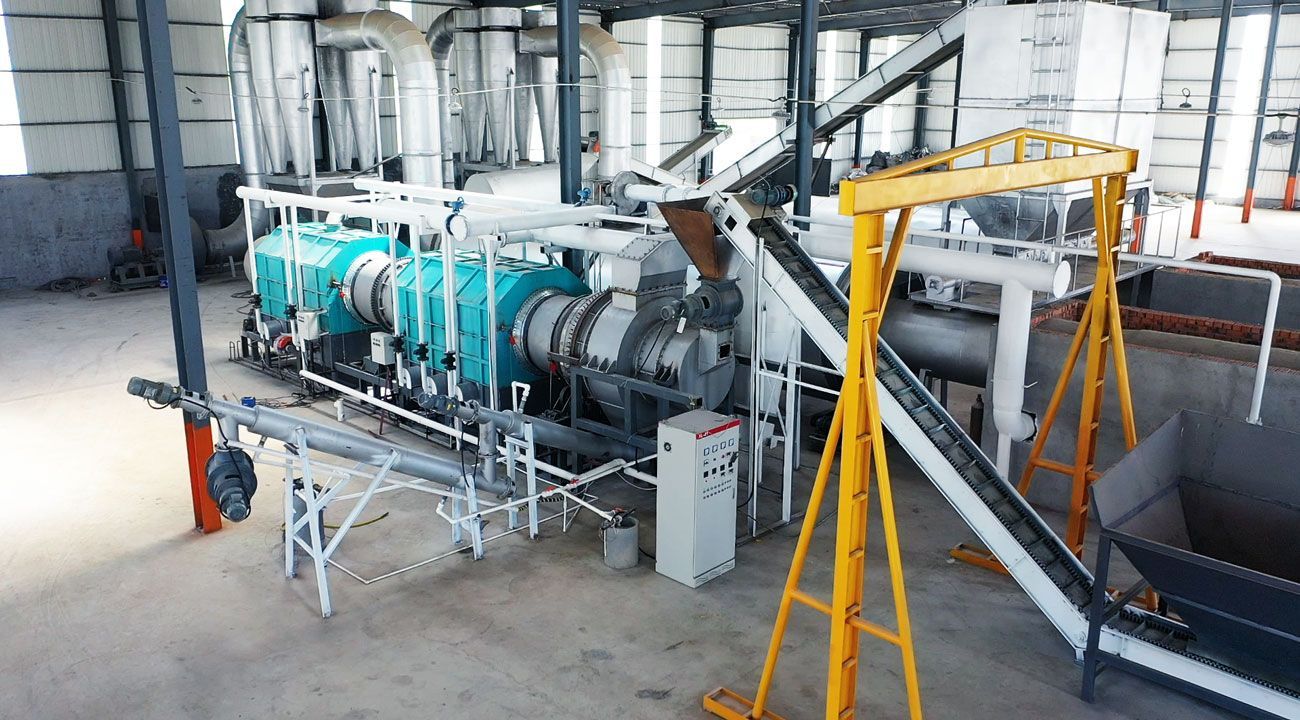
Mechanical installation typically covers the following systems:
- Main reactor: Positioning, alignment, anchoring, and verification of the drive or rotation mechanism where applicable.
- Feeding and discharge equipment: Installation of conveyors, feeders, sealing devices, and residue-handling components.
- Condensation system: Assembly of condensers, separators, pipelines, and associated cooling equipment.
- Gas handling: Connection of non-condensable gas lines, combustion equipment, and required treatment systems.
- Storage facilities: Installation of appropriate tanks, transfer lines, valves, and containment provisions for liquid products.
Flange connections, seals, supports, and expansion allowances require particular attention. Thermal expansion can impose substantial mechanical stress during operation, especially where hot pipelines connect to relatively cool equipment. Assembly should follow approved engineering drawings rather than relying on visual alignment alone.
Electrical Integration and Instrumentation
Electrical and control-system installation establishes the link between mechanical equipment and process supervision. Motors, control cabinets, sensors, actuators, and protective devices must be connected and verified according to the electrical drawings and equipment specifications.
Temperature sensors should be checked for correct placement, signal transmission, and calibration status. Pressure instruments, level indicators, flow meters, and gas detectors should undergo appropriate functional tests where installed.
The programmable logic controller (PLC) and human-machine interface (HMI) should be checked for correct input and output mapping, alarm behavior, interlock logic, and operating sequences. Emergency stops and other protective functions require documented verification.
These checks are essential. An instrument may display a plausible reading while transmitting an incorrect signal or responding too slowly. Functional verification helps identify such discrepancies before hot commissioning.
Cold Commissioning and System Verification
Cold commissioning tests equipment without introducing the full thermal load or conducting normal feedstock processing. Its purpose is to confirm mechanical readiness and verify that individual systems operate as intended.
Typical activities include:
- Checking motor rotation, drive alignment, and conveyor movement.
- Verifying valve positions, pipeline connections, and cooling-water circulation.
- Testing control sequences, alarms, and emergency shutdown functions.
- Inspecting electrical protection and confirming instrument responses.
- Checking accessible joints and connections for leakage using approved methods.
The commissioning team should record test results, unresolved defects, corrective actions, and approval status. Outstanding deficiencies affecting safety or equipment integrity must be addressed before the plant proceeds to hot commissioning.
Hot Commissioning and Performance Testing
Hot commissioning introduces thermal energy and establishes operating conditions under controlled procedures. Startup should follow the supplier's sequence for heating, gas handling, pressure management, and process stabilization.
Once operating temperatures are established, suitable feedstock can be introduced according to the approved commissioning plan. Operators monitor temperature trends, pressure where applicable, gas flow, condensation performance, and discharge behavior. Abnormal fluctuations should be investigated rather than compensated for through arbitrary parameter changes.
Performance testing then evaluates whether the plant meets agreed acceptance criteria. Relevant indicators may include:
- Feedstock throughput over a defined operating period.
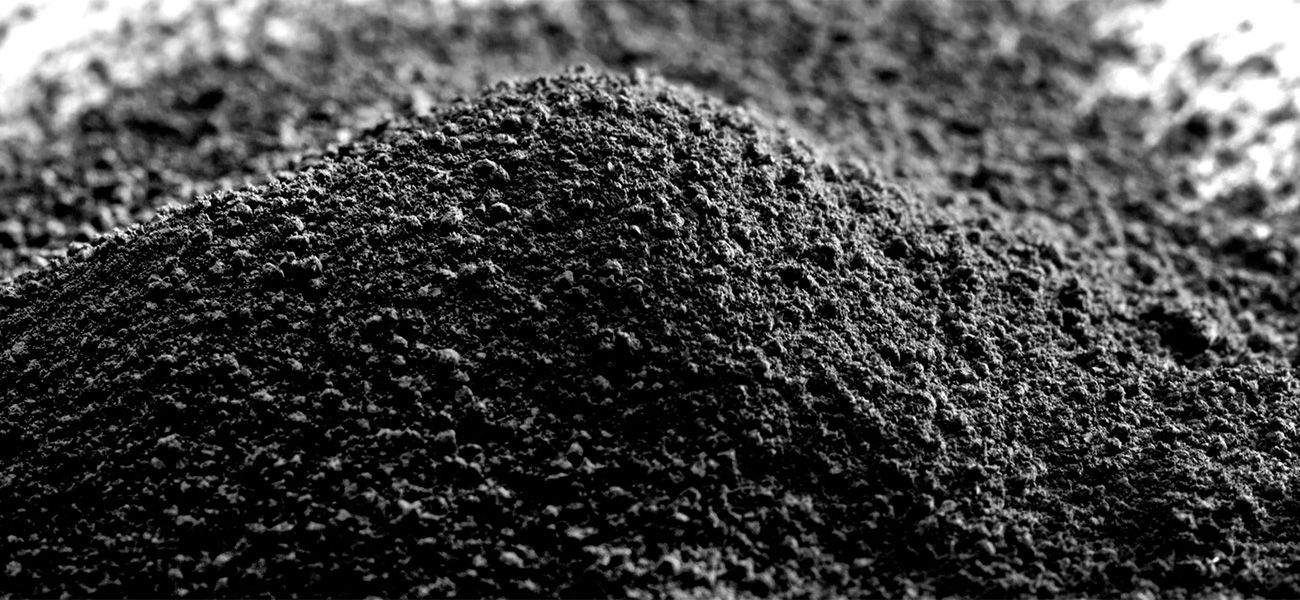
- Liquid, gas, and solid product distribution.
- Specific fuel or energy consumption.
- Temperature stability and process continuity.
- Condensation performance and emissions-related measurements.
- Reliability of feeding, discharge, and auxiliary systems.
Testing conditions must be documented, including feedstock composition, moisture content, operating hours, and measurement methods. These variables can materially affect results. Product yields should not be compared directly when feedstock properties or test conditions differ substantially.
Documentation, Training, and Operational Handover
Commissioning concludes with a structured handover. Essential records include approved drawings, equipment manuals, electrical schematics, calibration certificates, inspection reports, performance-test results, and maintenance schedules.
Operators should receive practical training in startup, shutdown, routine inspection, alarm response, and emergency procedures. Spare-parts inventories and maintenance responsibilities should also be established before normal operation begins.
A properly installed Beston pyrolysis plant depends on disciplined execution at every stage, from foundation preparation to performance verification. Systematic commissioning reduces avoidable startup problems, establishes a documented operating baseline, and provides evidence that the installed equipment performs according to the agreed technical requirements.