Pyrolysis in Urban Solid Waste Strategy: An Alternative to Landfill and Incineration
Cathy Wang • May 29, 2026

Urban solid waste management has become one of the most urgent infrastructure challenges in modern cities. Rapid urbanization, rising consumption, and limited landfill space are forcing governments and industries to rethink traditional disposal methods. For decades, landfilling and incineration have been the dominant solutions, but both are increasingly criticized for environmental, economic, and social limitations. In this context, pyrolysis is emerging as a promising alternative, especially for high-value waste streams such as waste tires and plastic materials.


The Limitations of Landfill and Incineration

Landfills are still widely used in many regions, but they are no longer a sustainable long-term strategy. Land scarcity is a growing issue in densely populated urban areas, and constructing new landfill sites is becoming more expensive and politically controversial. Beyond space constraints, landfills generate significant environmental risks, including methane emissions—a greenhouse gas far more potent than carbon dioxide—and leachate contamination that can pollute groundwater systems.

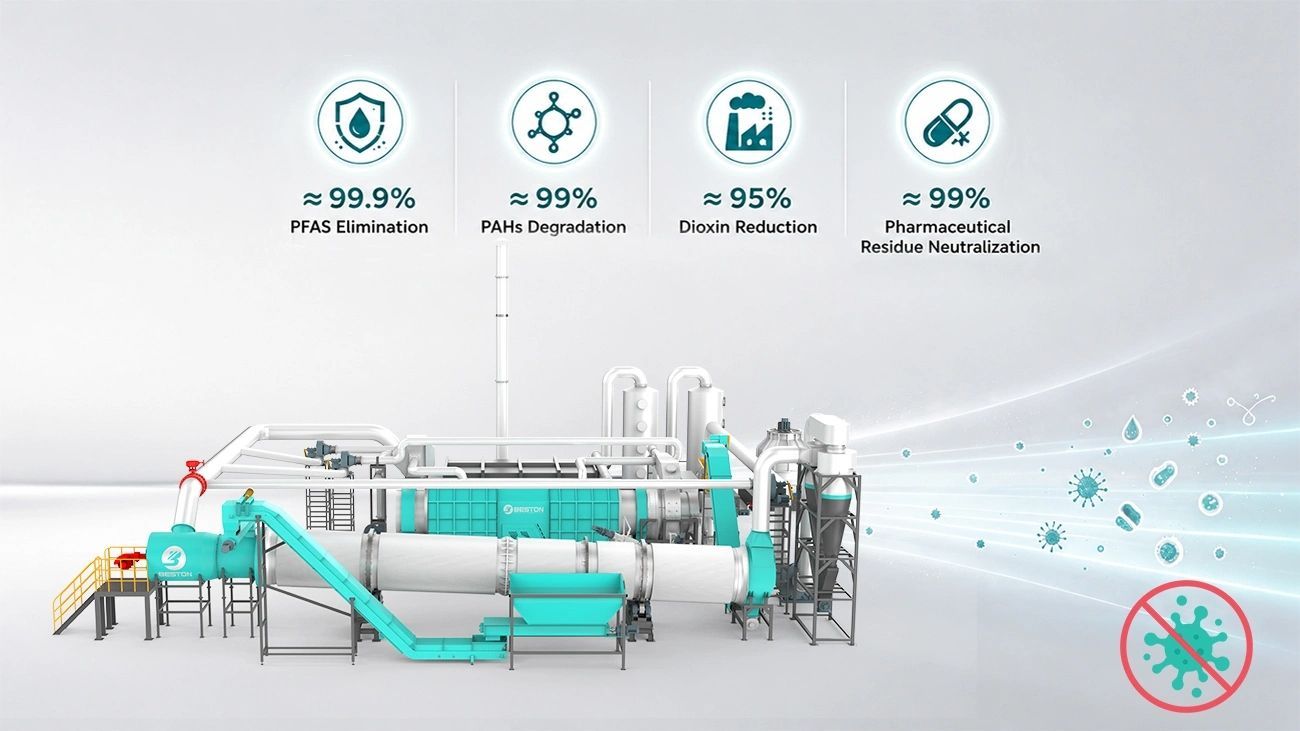
Incineration, while reducing waste volume, also faces serious challenges. Although modern waste-to-energy plants are more advanced than older systems, concerns remain about air pollution, particularly the formation of dioxins and other toxic compounds if combustion is not carefully controlled. Public resistance to incineration facilities is also strong in many cities due to health and environmental concerns. High operational costs and strict emission regulations further complicate its widespread adoption.


Pyrolysis as a Strategic Alternative

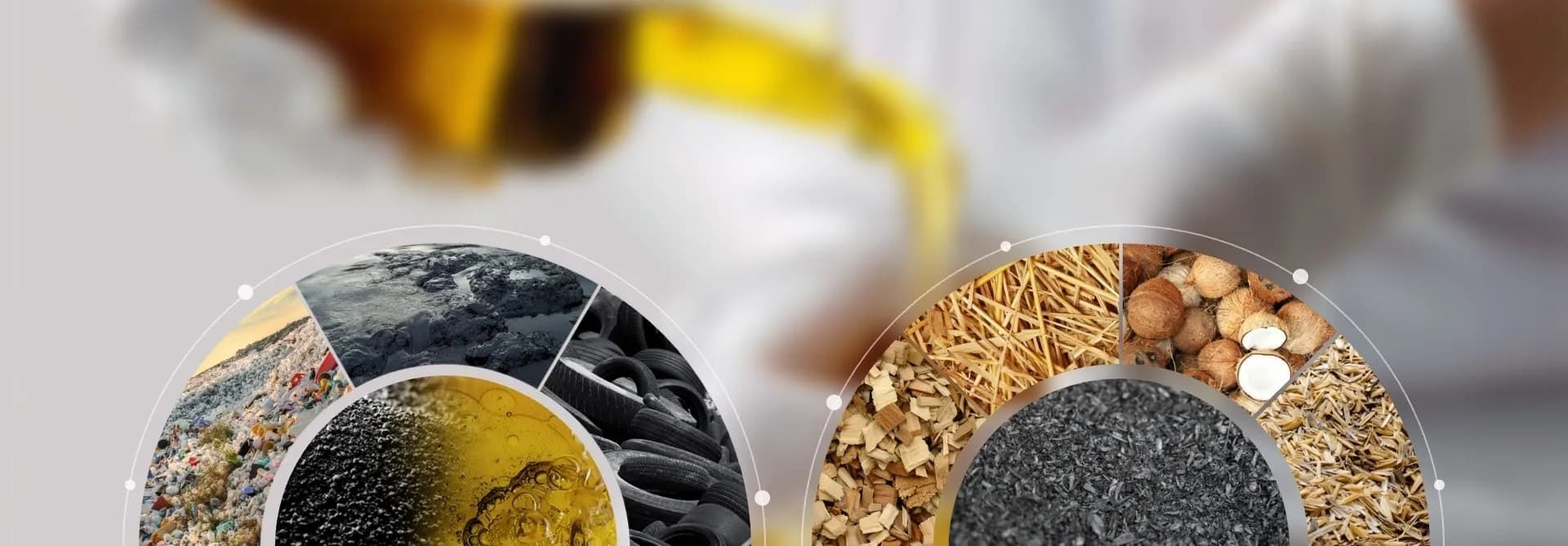
Pyrolysis offers a fundamentally different approach. It is a thermochemical process that decomposes organic and polymer-based waste in an oxygen-free environment. Instead of burning waste, it breaks it down into valuable byproducts such as liquid oil, combustible gas, and solid carbon material. This process aligns with circular economy principles by transforming waste into usable resources rather than simply disposing of it.


Unlike incineration, pyrolysis operates without direct combustion, which significantly reduces harmful emissions. It also allows for greater material recovery, making it particularly suitable for waste streams with high energy content, such as used tires and plastic waste.


Focus on Waste Tires and Plastics

Waste tires are one of the most problematic solid wastes globally. Composed of complex rubber polymers, steel, and additives, they are difficult to landfill and slow to degrade. Through pyrolysis, tires can be converted into pyrolysis oil, recovered carbon black, and steel wire. The oil can be used as industrial fuel, while carbon black can be reused in rubber manufacturing, construction materials, and pigments.


Similarly, plastic waste—especially polyethylene (PE), polypropylene (PP), and polystyrene (PS)—is highly suitable for pyrolysis. These materials can be converted into synthetic oil, waxes, and gas fuels. This provides a valuable pathway for reducing plastic pollution while recovering energy resources. However, proper sorting and preprocessing are essential, as mixed or contaminated plastics can affect output quality.


The Role of Pyrolysis Machinery

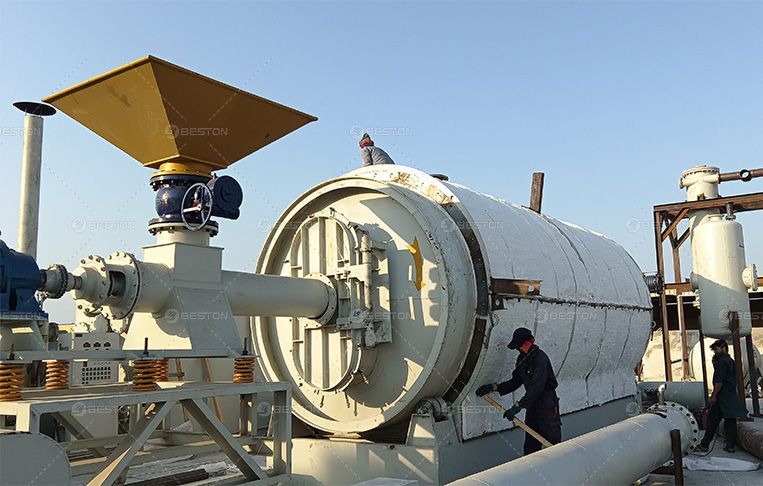
The success of any pyrolysis project depends heavily on the design and performance of pyrolysis machinery. A complete system typically includes a feeding system, reactor chamber, condensation units, gas recycling system, and emission control equipment. Each component plays a critical role in ensuring stable and efficient operation.


Modern pyrolysis machinery is designed for precise temperature control, typically operating in optimized thermal ranges to maximize oil yield and minimize unwanted byproducts. Automation systems help regulate feeding rates, pressure, and heat distribution, improving both safety and efficiency. Depending on the scale of operation, plants may use batch or continuous reactor systems, with continuous systems offering higher throughput for large-scale municipal waste processing.


Advanced configurations of pyrolysis machinery also incorporate energy recovery systems, where non-condensable gases generated during the process are reused as fuel to sustain reactor heating. This reduces external energy demand and improves overall system sustainability.


Benefits and Operational Challenges

The advantages of pyrolysis in urban waste strategy are significant. It reduces landfill dependency, lowers environmental pollution, and creates economic value from waste materials. It also supports energy recovery and contributes to resource circularity, which is increasingly important in global sustainability frameworks.


However, challenges remain. Feedstock consistency is a major issue, as mixed waste can reduce efficiency and product quality. Economic viability depends on market demand for outputs such as pyrolysis oil and recovered carbon black. In addition, regulatory frameworks and emissions monitoring must be carefully managed to ensure compliance and public acceptance.


Conclusion

Pyrolysis represents a strategic shift in how cities can manage complex waste streams, particularly tires and plastics. While it is not a universal solution, it offers a powerful complement to existing systems by turning waste into valuable resources. With continued improvements in technology and the advancement of efficient pyrolysis machinery, this approach has the potential to play a key role in future urban solid waste strategies, reducing reliance on landfills and mitigating the environmental concerns associated with incineration.
By Cathy Wang May 18, 2026
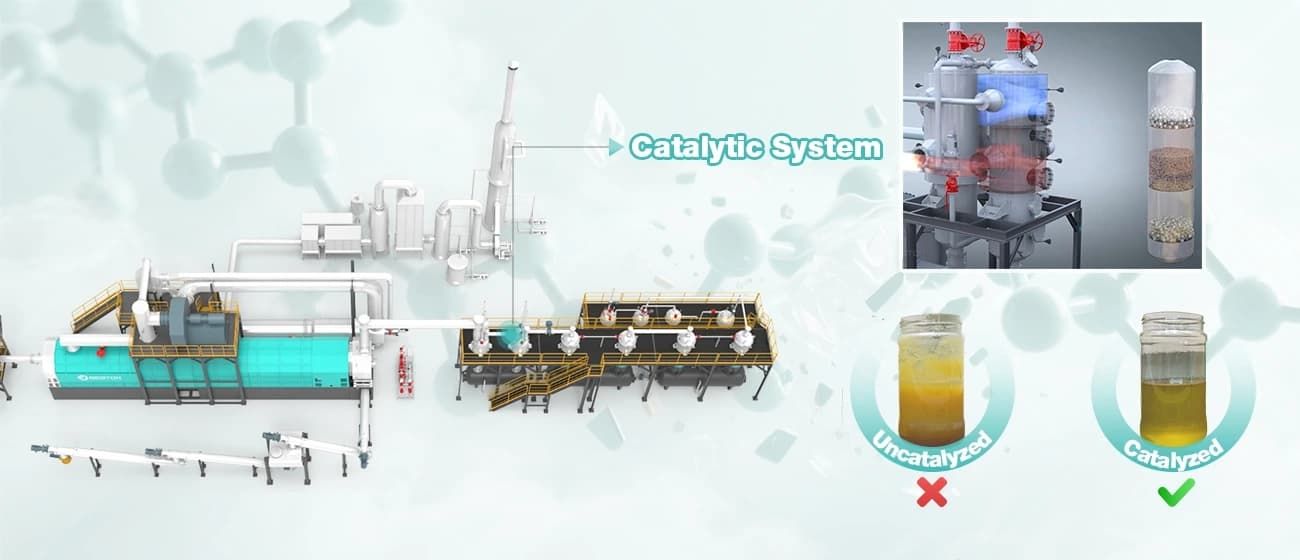
Plastic waste is one of the most pressing environmental challenges of the 21st century. Converting plastic into fuel oil through pyrolysis not only mitigates pollution but also generates a valuable energy resource. Modern plastic pyrolysis plants are evolving beyond traditional operations into highly automated, intelligent systems. Central to this transformation are IoT (Internet of Things) technologies and remote monitoring, which optimize efficiency, safety, and sustainability. 1. The Role of IoT in Plastic Pyrolysis IoT refers to the network of interconnected devices that communicate and exchange data in real time. In a plastic pyrolysis plant, IoT systems can integrate sensors, controllers, and analytics software to monitor every stage of the process. Sensors for Real-Time Data: Temperature, pressure, feed rate, gas composition, and oil output can all be continuously tracked using IoT-enabled sensors. Smart Controllers: These devices adjust reactor heating, feed input, and condensers automatically based on sensor data, ensuring consistent product quality. Predictive Analytics: IoT systems collect historical data to predict maintenance needs, optimize operating conditions, and reduce energy consumption. By leveraging IoT, pyrolysis plants operate more efficiently, with less downtime and greater safety, compared to manual or semi-automated systems. 2. Remote Monitoring: Anytime, Anywhere Control Remote monitoring allows plant operators, engineers, and managers to oversee operations from any location using a secure internet connection. This is particularly useful for large-scale or distributed operations. Centralized Dashboards: Operators can access a real-time overview of multiple parameters, including reactor temperature, pressure levels, and oil production rates. Alerts and Notifications: Automated alerts notify staff of any deviations, such as overheating, gas leaks, or feeding blockages. This rapid response capability reduces downtime and prevents accidents. Remote Adjustments: Modern systems enable remote control of key components like feed conveyors, burners, and condensers, allowing operators to optimize operations without physically being on site. Remote monitoring is not just a convenience—it’s a safety and efficiency upgrade, especially for plants in industrial zones or areas with limited staff. 3. Key IoT Applications in Plastic Pyrolysis Plants IoT integration impacts multiple aspects of pyrolysis operations: Reactor Temperature & Pressure Control Continuous temperature monitoring ensures plastics pyrolyze within their optimal range (usually 400–500°C). IoT systems automatically adjust heating elements to prevent under- or over-heating, which can affect oil yield and carbon residue quality. Pressure sensors maintain safe operating conditions, triggering alarms or shutdowns in case of abnormalities. Feedstock Management Smart feeders detect material flow rates, moisture content, and particle size. Automated adjustment of feeding speed reduces the risk of blockages and ensures uniform pyrolysis. Oil & Gas Collection Monitoring IoT-enabled condensers track oil collection rates and quality, while gas sensors monitor syngas composition. These insights help optimize recycling of non-condensable gases as fuel, improving overall energy efficiency. Predictive Maintenance Vibration and temperature sensors on motors, conveyors, and burners detect wear and potential failures before they occur. This proactive maintenance reduces costly downtime and extends equipment life. Environmental Compliance IoT sensors monitor emissions, VOC levels, and particulate matter. Data can be automatically logged for regulatory reporting, ensuring the plant meets environmental standards. 4. Benefits of IoT & Remote Monitoring The integration of IoT and remote monitoring offers measurable benefits: Operational Efficiency: Real-time adjustments maximize output and minimize waste. Safety Improvements: Immediate alerts prevent accidents, while automated control reduces human error. Energy Savings: Optimized heating and syngas reuse lower fuel consumption. Reduced Labor Costs: Remote monitoring reduces the need for on-site personnel around the clock. Data-Driven Decision Making: Historical data analytics allow continuous improvement in process design and management. In conclusion, IoT and remote monitoring are transforming plastic pyrolysis plants from labor-intensive operations into intelligent, automated systems. By integrating sensors, real-time analytics, and remote control capabilities, modern plants achieve higher efficiency, lower environmental impact, and safer working conditions. As the global demand for sustainable plastic waste management grows, IoT-enabled pyrolysis plants are becoming a cornerstone of the circular economy, turning plastic waste into valuable fuel with precision and intelligence.
By Cathy Wang May 15, 2026
The global agricultural sector generates millions of tons of rice husks annually as a byproduct of rice milling. Traditionally, these husks have been disposed of through burning or landfilling, causing environmental pollution and resource waste. However, the rice husk charcoal industry is emerging as a sustainable solution that transforms this agricultural waste into valuable products while supporting green development goals. Understanding Rice Husk Charcoal Production Rice husk charcoal is produced through the carbonization of rice husks at controlled temperatures, typically between 300-600°C in oxygen-limited environments. Modern production relies on specialized equipment like the rice husk charcoal machine , which automates the carbonization process, improves efficiency, and reduces operational costs. These machines have revolutionized the industry by making large-scale production economically viable while minimizing environmental impact. Environmental Benefits The transition to rice husk charcoal production addresses multiple environmental concerns. By converting agricultural waste into a useful product, the industry reduces methane emissions from rice husk burning and landfills. The charcoal produced serves as a carbon sink, helping mitigate climate change. Additionally, rice husk charcoal machines operate with lower energy requirements compared to traditional charcoal production from wood, reducing the carbon footprint of the manufacturing process itself. Diverse Applications The versatility of rice husk charcoal drives market demand and economic sustainability. In agriculture, it serves as a soil amendment that improves water retention and nutrient availability. The activated form finds widespread use in water and air purification applications. Industrial sectors employ it in metal smelting, chemical production, and manufacturing. The cosmetic and pharmaceutical industries increasingly adopt rice husk charcoal for its detoxifying properties. This diversified demand base ensures stable market growth and economic viability for producers. Technological Advancement and Efficiency Modern rice husk charcoal machines incorporate advanced features that enhance sustainability. Automated temperature control ensures optimal carbonization conditions, maximizing yield while minimizing energy consumption. Integrated dust collection systems reduce air pollution during production. Some machines feature heat recovery mechanisms that capture and utilize waste heat, further improving energy efficiency. Real-time monitoring systems enable producers to maintain consistent product quality and reduce material losses. Economic Development and Rural Empowerment The rice husk charcoal industry creates economic opportunities in rural areas where rice production is concentrated. Farmers and agricultural processors can generate additional income by selling husks to charcoal producers instead of burning them. Small and medium-sized enterprises equipped with efficient rice husk charcoal machines can establish local production facilities, creating employment and stimulating rural economies. This diversification reduces dependence on primary agriculture and builds resilient community economic systems. Supply Chain Optimization Green development of the rice husk charcoal industry requires optimized supply chains. Local sourcing of raw materials reduces transportation emissions and strengthens community ties. Integration of cooperatives ensures stable material supply while supporting multiple farmers. Processing facilities should be strategically located near rice production centers to minimize logistics costs and environmental impact. Digital platforms connecting producers and buyers enhance market efficiency and transparency. Regulatory Framework and Standards Establishing clear environmental and quality standards is essential for sustainable industry growth. Governments should implement regulations promoting cleaner production technologies while supporting transition programs for existing producers. International certification systems for sustainable charcoal production help access global markets. Standards for product quality ensure consumer confidence and justify premium pricing for environmentally responsible products. Future Outlook The rice husk charcoal industry is positioned for significant growth as global awareness of circular economy principles increases. Investment in research and development will continue improving machine efficiency and product applications. Integration with renewable energy systems and carbon credit programs will enhance economic viability. Expanding international markets and increasing environmental regulations against waste burning will drive demand. Conclusion The rice husk charcoal industry exemplifies sustainable development by converting agricultural waste into valuable products through innovative technology. Modern rice husk charcoal machines make this transformation efficient and economically attractive. By supporting this industry through appropriate policies, investment, and market development, societies can achieve multiple sustainability goals simultaneously: waste reduction, rural development, environmental protection, and economic growth. The green development path of the rice husk charcoal industry offers a model for transforming agricultural residues into resources that benefit both communities and the environment.
By Cathy Wang April 27, 2026
The body content of your post goes here. To edit this text, click on it and delete this default text and start typing your own or paste your own from a different source.