Extend the Lifespan of a Biochar Reactor’s High-Temperature Zone: 3 Key Daily Inspection Points
Cathy Wang • March 17, 2026

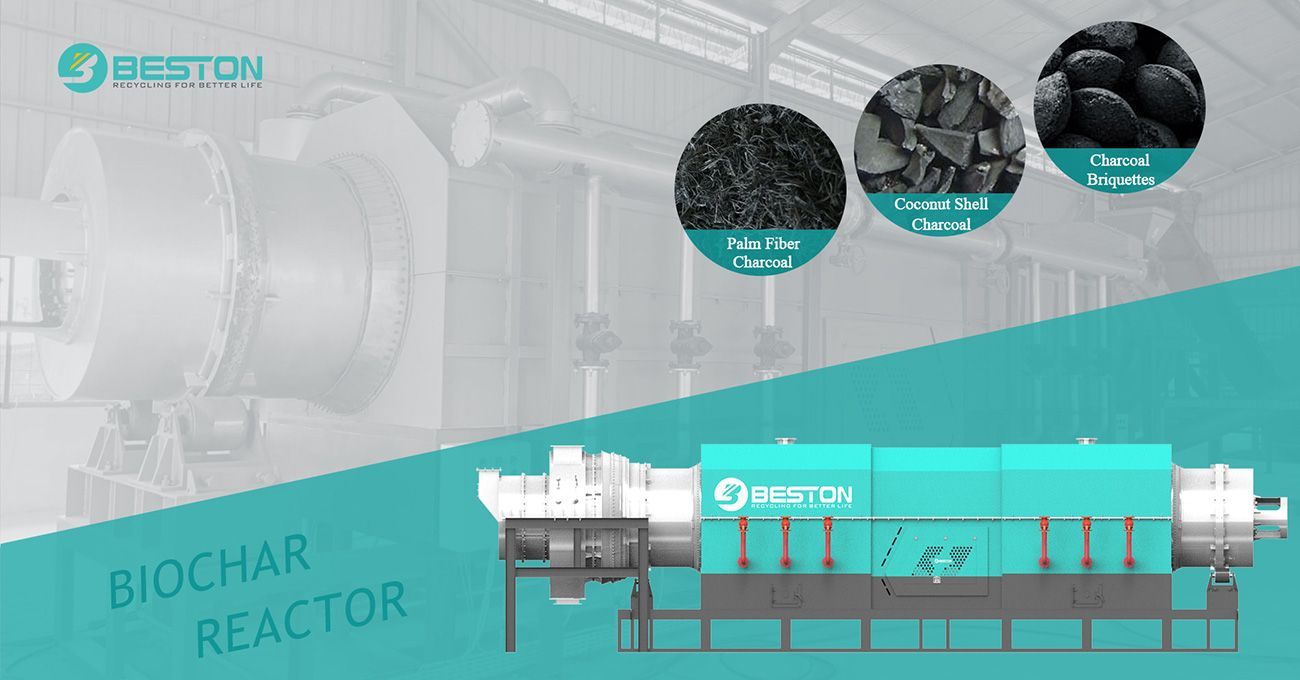
Biochar reactors, particularly rotary kilns, are essential for converting biomass into high-quality biochar. The high-temperature zone of the reactor is subjected to extreme thermal stress, making it the most vulnerable part of the equipment. Proper maintenance and daily inspections are critical to prolong its lifespan and ensure stable, efficient operation.


1. Understanding the High-Temperature Zone

The high-temperature zone of a biochar rotary kiln is where biomass pyrolysis occurs, typically at temperatures between 400–700°C. In this area:

  • Thermal erosion and expansion stress are at their maximum
  • Linings and refractory bricks degrade faster
  • Improper operation can cause warping, cracking, or even equipment failure

Recognizing the critical role of this zone is the first step in ensuring long-term reactor performance.


2. Daily Inspection Key Points

a) Refractory Lining Condition

The refractory lining protects the kiln shell from extreme heat. Daily checks should focus on:

  • Cracks or erosion: Even small fissures can expand under heat cycling
  • Hot spots: Uneven heating may indicate lining wear or insulation gaps
  • Loose bricks or material: Ensure all linings are properly secured

Early detection of lining issues allows for timely repairs, preventing catastrophic damage to the biochar reactor.


b) Temperature Monitoring and Distribution

Consistent temperature control is vital for both biochar quality and equipment longevity. Daily monitoring should include:

  • Thermocouples readings along the kiln: Ensure temperatures are within design range
  • Detecting anomalies: Sudden spikes or drops can indicate airflow issues, feedstock blockage, or refractory degradation
  • Uniform heating: Uneven distribution accelerates thermal fatigue in specific areas

Maintaining stable, uniform heat reduces wear and extends the operational life of the high-temperature zone.


c) Inspection of Rotating Components

Rotary kilns rely on smooth rotation for even pyrolysis. Daily checks should include:

  • Bearings and gears: Lubrication and alignment prevent stress on the kiln shell
  • Drive system: Ensure no unusual vibrations or noises occur
  • Shell and support rollers: Check for wear that could misalign the high-temperature zone

Proper mechanical maintenance ensures the refractory lining remains intact and prevents hot zones from forming due to misalignment.


3. Additional Best Practices

  • Schedule periodic full shutdown inspections for deep cleaning and lining replacement
  • Maintain consistent biomass feedstock size and moisture to avoid local overheating
  • Implement preventive maintenance logs to track wear and predict replacement intervals


4. Conclusion

Extending the lifespan of a biochar rotary kiln’s high-temperature zone requires daily vigilance, systematic inspection, and proper operational practices. Focusing on refractory lining, temperature monitoring, and rotating components allows operators to prevent premature failure, ensure stable biochar production, and reduce maintenance costs.

With consistent attention to these key areas, biochar reactor operators can achieve long-term efficiency, safety, and profitability.
By Cathy Wang March 10, 2026
Biomass carbonization is a process that transforms organic materials, such as wood chips, agricultural residues, or nutshells, into biochar—a carbon-rich solid with applications in soil improvement, fuel, and carbon sequestration. While the primary goal is to produce high-quality biochar, the process also generates gaseous byproducts that, if properly managed, can become a valuable energy source. This is where the concept of gas recycling comes into play. What Are the Gases Produced During Carbonization? During biomass carbonization, materials are heated in a low-oxygen environment. The heat drives off volatile compounds, leaving behind mostly carbon. The released gases are primarily non-condensable combustible gases, including methane (CH₄), carbon monoxide (CO), and small amounts of hydrogen (H₂). Unlike bio-oil, these gases cannot be easily condensed into liquid fuel, but they are highly combustible and contain significant energy. If released into the atmosphere without treatment, these gases would represent wasted energy and contribute to air pollution. However, modern carbonization systems are designed to capture, purify, and reuse them, creating a self-sustaining energy cycle within the plant. How Gas Recycling Works The process of gas recycling in biomass carbonization machine involves several steps: Gas Collection: As the biomass heats and decomposes, the generated gases are collected from the top of the carbonization reactor. This prevents uncontrolled release and allows them to be processed for reuse. Purification: The raw gases often contain impurities such as dust, tar particles, and sulfur compounds. Removing these contaminants is crucial for efficient combustion and equipment protection. Techniques like dust filtration, desulfurization, and sometimes cooling or scrubbing are used to ensure the gases are clean enough to serve as fuel. Reintroduction to the Furnace: After purification, the clean combustible gas is fed back into the bottom combustion chamber of the carbonization reactor. Here, the gas burns to generate heat, which is then used to sustain the carbonization process itself. This cycle reduces or even eliminates the need for external fuel sources. Benefits of Gas Recycling Energy Self-Sufficiency: One of the most significant advantages of gas recycling is that it allows the carbonization plant to produce the heat it needs from its own byproducts. This makes the process largely self-sufficient and less dependent on fossil fuels or other external energy sources Cost Reduction: Since the combustible gases generated during carbonization are reused, plants save money on fuel. Over time, this can dramatically reduce operating costs, especially in large-scale industrial systems. Environmental Benefits: Recycling carbonization gases prevents them from being vented directly into the atmosphere. Methane and carbon monoxide are potent contributors to air pollution and greenhouse gas emissions, so burning them in a controlled combustion chamber reduces environmental impact. Process Efficiency: By reusing the gases to supply heat, the carbonization process becomes more uniform and stable. The bottom furnace receives a consistent energy input, helping maintain the desired temperatures and improving the quality of the resulting biochar. Real-World Applications Many modern biomass carbonization plants integrate gas recycling as a standard feature. For example, rice husk, wood pellet, or coconut shell carbonization facilities often incorporate gas purification units and internal combustion chambers, allowing them to operate efficiently with minimal external fuel. This approach is particularly important in regions where fuel costs are high or access to electricity is limited. Conclusion Gas recycling in biomass carbonization is a prime example of turning waste into value. By capturing the combustible gases produced during the process, purifying them, and feeding them back into the furnace, carbonization plants can achieve energy self-sufficiency, reduce operating costs, and minimize environmental impact. In essence, the system uses the energy already present in biomass to sustain its own transformation, demonstrating a smart and sustainable approach to renewable energy and resource management. Through techniques like gas recycling, biomass carbonization not only produces biochar for agriculture or carbon sequestration but also exemplifies closed-loop, energy-efficient industrial practices—a key step toward greener and more sustainable production systems.
By Cathy Wang March 9, 2026
Plastic waste management has become one of the most pressing environmental challenges of the modern era. As global plastic production continues to rise, the accumulation of plastic waste in landfills, oceans, and ecosystems exacerbates pollution. Thermal treatment technologies such as pyrolysis and incineration have emerged as potential solutions for dealing with plastic waste. These processes allow for the conversion of plastics into energy, but they operate under different conditions and yield distinct products. This article provides an in-depth comparison of plastic pyrolysis and incineration, focusing on their operational mechanisms, environmental impacts, and economic feasibility. Pyrolysis of Plastic Waste The Pyrolysis Process Pyrolysis is a thermal degradation process that occurs in the absence of oxygen, typically at temperatures ranging from 400°C to 800°C. When plastic waste is subjected to heat in a plastic to fuel machine , it breaks down into smaller molecules. The end products of pyrolysis include liquid fuel (bio-oil), combustible gases (syngas), and solid carbon (char). The composition and quantity of these products depend on the type of plastic, temperature, and other operational parameters. One of the primary advantages of pyrolysis is its ability to process a wide variety of plastics, including polyolefins, polystyrene, and PVC, among others. The process can convert these materials into useful products such as synthetic fuels, which can be used to power the pyrolysis plant itself or be sold for commercial use. Additionally, the production of carbon from pyrolysis can be used as an additive in various industrial applications, including as a filler in rubber manufacturing.
By Cathy Wang March 3, 2026
Charcoal has been a valuable resource for thousands of years, used for everything from cooking to fuel. But have you ever wondered how wood transforms into charcoal? The process is actually a fascinating example of science at work, particularly in the realm of heat treatment and chemical changes. The Basics of Charcoal Production At its core, the production of charcoal is a "subtractive" process. Wood, composed primarily of cellulose, hemicellulose, and lignin, undergoes a transformation when heated in a low-oxygen environment. This process, known as pyrolysis, involves the heating of wood to high temperatures in the absence of oxygen, which results in the breakdown of complex organic compounds. Step-by-Step Process 1. Dehydration and Volatile Release: When wood is heated, the first thing that happens is the evaporation of moisture. Water, along with other volatile substances such as hydrogen and oxygen, are driven out as steam and gases. These volatile elements escape, leaving behind a more solid, carbon-rich substance. 2. Carbonization: As the temperature continues to rise, the structure of the wood begins to break down. The cellulose and hemicellulose decompose, releasing volatile compounds. The lignin, however, begins to form a complex carbon structure. By the end of the process, the material left behind is primarily carbon, which is the defining feature of charcoal. This carbon structure is more stable and dense compared to the original wood. That's why charcoal has a higher energy content, or calorific value, than wood. In other words, when burned, charcoal releases more heat for longer periods, making it a more efficient fuel source. 3. Why Charcoal Burns Cleaner: One of the notable advantages of charcoal over raw wood is that it burns with very little smoke. This is because the volatile compounds, which are responsible for the thick smoke and fumes from burning wood, are already removed during the production process. As a result, charcoal combustion is cleaner, producing almost no visible smoke or harmful gases. Charcoal Production Machines In modern times, the process of making charcoal has been greatly improved with the advent of the charcoal production machine . These machines automate the carbonization process, making it faster, more efficient, and more consistent than traditional methods. Charcoal production machines work by placing raw materials like wood, sawdust, or agricultural waste into a sealed chamber. The machine then heats the material under controlled conditions, allowing for the efficient release of volatiles while preserving the carbon skeleton of the material. This process results in high-quality charcoal that can be used for a variety of applications, including cooking, industrial use, and even as a material for filtering and purifying air or water. Why Choose Charcoal? Charcoal’s higher energy density, cleaner burn, and versatility make it a preferred fuel source for many. It is widely used in barbecues, furnaces, and even in certain industrial processes. Its ability to burn at high temperatures for extended periods without producing excessive smoke is also why it's favored by chefs for grilling. In conclusion, the transformation of wood into charcoal is not just an ancient art but also a modern industrial process. Whether it's for cooking, heating, or even purifying air, charcoal remains one of the most efficient and eco-friendly materials around. So, next time you fire up the grill or heat up your home, take a moment to appreciate the fascinating science behind charcoal production—and the machinery that makes it possible.