Evaluating the Economic Feasibility of Oil Sludge Pyrolysis: Focus on Disposal Costs
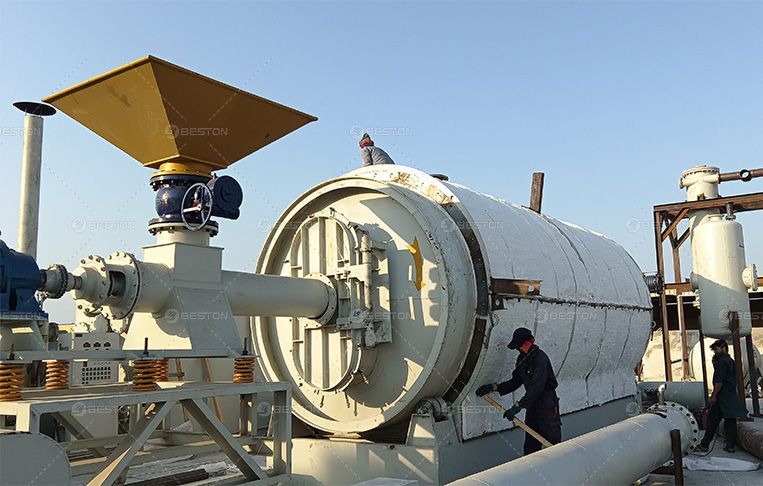
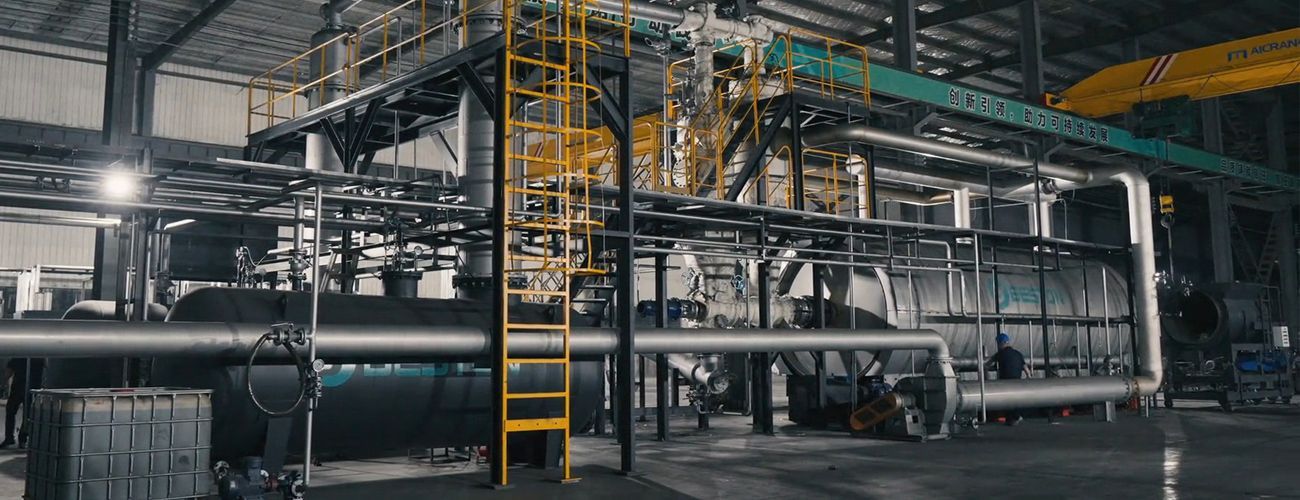
Oil sludge, a hazardous byproduct generated during oil extraction, refining, and storage, poses significant environmental challenges. Traditional disposal methods, such as landfilling or incineration, are often expensive and environmentally harmful. As industries seek sustainable alternatives, pyrolysis—a thermochemical decomposition process in an oxygen-free environment—has emerged as a promising solution. However, before adopting this technology on a large scale, it is crucial to understand the economic implications, especially regarding disposal costs.
Disposal costs are a major component in the overall economic analysis of oil sludge pyrolysis plant. These costs encompass several factors: collection, transportation, pre-treatment, regulatory compliance, and the final handling of residual waste. Each step contributes to the total expenditure and can significantly affect the feasibility of pyrolysis as a treatment method.
Firstly, collection and transportation costs vary depending on the origin of the sludge and its physical characteristics. Oil sludge is often viscous and heterogeneous, containing water, hydrocarbons, and solid particulates. Specialized equipment is required to handle and transport it safely. The use of standard trucks without modification may lead to spills, environmental penalties, and additional cleanup costs. Therefore, investing in suitable containers and vehicles, though increasing upfront expenses, can reduce long-term risks and liabilities.
Pre-treatment is another critical factor in disposal cost calculations. Oil sludge often contains a high moisture content, which can reduce the efficiency of pyrolysis. Dewatering and homogenization are necessary to achieve optimal thermal decomposition. Pre-treatment adds operational costs but enhances process efficiency, leading to better fuel recovery and lower emissions. This step illustrates the trade-off between immediate costs and long-term economic benefits, a key consideration in feasibility studies.
Regulatory compliance can also influence disposal costs. Governments worldwide have established strict guidelines for handling hazardous waste, including oil sludge. Companies must obtain permits, conduct environmental impact assessments, and adhere to reporting requirements. Non-compliance can result in fines, legal action, and reputational damage, which may far exceed the costs of compliant disposal. Integrating compliance costs into the economic analysis ensures a realistic estimate of total expenditure.
Finally, the handling of residual waste after pyrolysis must be considered. Pyrolysis reduces the volume of oil sludge significantly, producing char, oil, and gas fractions. While some byproducts can be sold as fuel or raw materials, residual solids may still require safe disposal. The cost of treating or storing these residues should be included in the overall disposal budget. Efficient utilization of byproducts can offset disposal expenses and improve the economic viability of the pyrolysis process.
Overall, the economic feasibility of oil sludge pyrolysis is closely tied to disposal costs. A comprehensive analysis must account for collection, transportation, pre-treatment, compliance, and residue handling. By carefully assessing these factors, companies can determine whether pyrolysis is a cost-effective and sustainable solution for managing oil sludge. With proper planning, this technology offers not only environmental benefits but also potential financial gains through resource recovery.
In conclusion, while oil sludge pyrolysis presents an innovative and environmentally friendly approach to waste management, its success depends on careful economic evaluation. Disposal costs, often underestimated, play a pivotal role in determining the viability of the process. A thorough understanding of these costs allows stakeholders to make informed decisions, balancing environmental responsibility with financial sustainability.