What is the Best Feedstock for Pyrolysis? A Deep Dive into Materials and Common Pitfalls
Pyrolysis technology has emerged as a powerful tool in the circular economy, offering a way to convert waste materials into valuable products like fuel oil, carbon black, and syngas. However, the success of a pyrolysis project hinges on one critical factor: the feedstock. Not all waste is created equal, and understanding which materials yield the best results—and which ones can destroy your equipment—is essential for profitability and operational safety.
Here is a breakdown of the most suitable feedstocks for pyrolysis, as well as a critical warning about a material that often trips up newcomers to the industry.
The "High-Frequency" All-Stars: The Best Materials for Pyrolysis
If you are looking to invest in a pyrolysis plant or optimize an existing one, these four categories represent the most common and effective feedstocks on the market.
1. Waste Plastics (PP, PE, PS)
Post-consumer and post-industrial plastics are arguably the most popular feedstocks today. Specifically, polyolefins perform exceptionally well.
- Polypropylene (PP): Commonly found in food containers, packaging, and automotive parts. It has a high oil yield, often converting over 80% of its weight into liquid fuel.
- Polyethylene (PE): The most common plastic (bags, bottles, films). Like PP, it breaks down efficiently into high-calorific value wax and oil.
- Polystyrene (PS): Used in foam packaging and disposable cutlery. PS tends to break down into a styrene monomer-rich oil, which is highly valuable.
2. Waste Tyres
Scrap tyres are a dream feedstock for many operators. They are abundant, have a consistent composition, and are designed to withstand degradation, which actually helps in the pyrolysis process. Tyres yield three main products: Tyre Pyrolysis Oil (TPO) used as industrial fuel, recovered carbon black (rCB) used in manufacturing, and steel wire. The high fixed carbon content in tyres also means the process generates its own fuel, reducing operational energy costs.
3. Biomass (Agricultural & Forestry Waste)
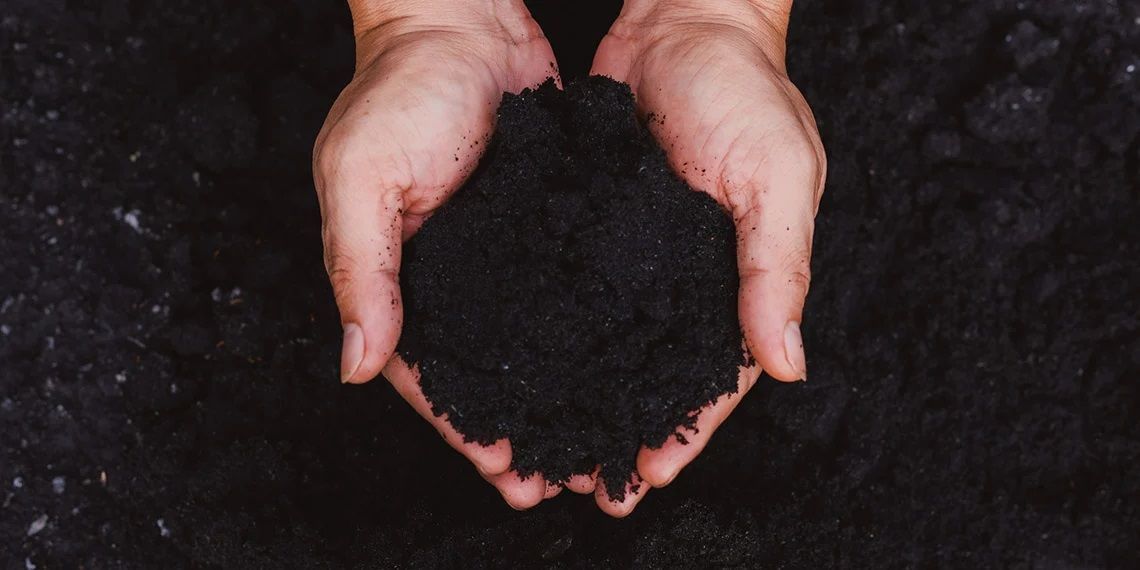
Materials like wood chips, rice husks, coconut shells, and corn cobs are excellent for pyrolysis. While biomass generally produces less oil than plastics (and more bio-char), the focus here is often on creating high-value biochar for soil amendment or activated carbon. It is a completely renewable and carbon-negative process, making it highly attractive for companies looking to sell carbon credits.
4. Oil Sludge & Sewage Sludge
These are the "problem solvers" of the pyrolysis world. Oil sludge from refineries and municipal sewage sludge are hazardous wastes that are expensive to treat via traditional methods. Pyrolysis offers a way to recover the hydrocarbon content from oil sludge while neutralizing pathogens and heavy metals in sewage sludge, leaving behind an inert solid residue.
The "Pitfall": The Dangers of PVC in Pyrolysis
When discussing plastic pyrolysis, one question inevitably comes up: "Can I process PVC?"
The short answer is: Technically yes, but you absolutely should not.
PVC (Polyvinyl Chloride) is the red flag of the pyrolysis industry. While it is a plastic, its chemical structure makes it toxic to your equipment. Here is why you must keep it out of your reactor:
The Chlorine Problem
PVC is unique because it contains roughly 57% chlorine by weight. When you heat PVC in an oxygen-free environment (pyrolysis), the chlorine atoms don't just disappear. They bond with hydrogen to form Hydrochloric Acid (HCl) gas.
The Consequences:
- Severe Corrosion: HCl gas is highly corrosive, especially when it condenses with water vapor. It will attack the reactor vessel, the pipelines, and the condenser units. This leads to rapid metal loss, pinhole leaks, and eventually, catastrophic failure of the reactor. Repairing this damage is incredibly expensive and dangerous.
- Contaminated Oil: The chlorine ends up in the pyrolysis oil. When this "chlorinated" oil is burned as fuel, it releases toxic dioxins and furans into the atmosphere, turning a "green" process into a major environmental hazard.
- Toxic Sludge: The chlorine also contaminates the carbon black, rendering it unusable for most industrial applications.
How to Avoid the PVC Pitfall
If your waste stream contains PVC (pipes, cable sheathing, some blister packaging), you must implement a strict sorting process. This can be done manually or via density separation (sink-float tanks), as PVC is denser than polyolefins like PE and PP.
Conclusion
For a smooth, profitable, and safe pyrolysis operation, stick to PP, PE, PS plastics, tyres, biomass, and sludges. While the technology is robust, it is not immune to chemistry. By avoiding halogenated materials like PVC, you protect your investment and ensure your end products remain clean and marketable. Explore what materials Beston pyrolysis plant can process.