Oil Sludge Pyrolysis Plant Water Management: Cooling Circuits and Wastewater Considerations
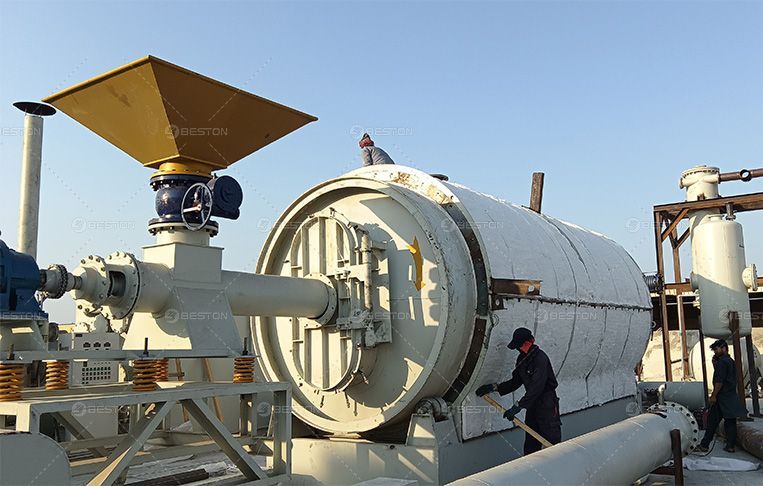
Water management is a critical engineering consideration in an oil sludge pyrolysis project. Cooling systems support vapor condensation, control equipment temperatures, and help maintain stable process conditions, while wastewater management addresses contaminated water generated during feedstock handling, gas condensation, and equipment cleaning. An effective design must balance thermal performance, water consumption, environmental protection, and operational reliability. These factors should be evaluated early when assessing an oil sludge pyrolysis plant for sale, because the cooling configuration and wastewater infrastructure can significantly influence installation requirements and operating costs.
Cooling Circuit Design and Heat Transfer
An oil sludge pyrolysis plant typically uses cooling equipment to condense pyrolysis vapors into liquid products and maintain suitable temperatures in downstream process equipment. Cooling-water circulation, heat-exchanger capacity, and temperature control directly affect condensation efficiency.
A recirculating cooling circuit can reduce freshwater consumption by returning warmed water to a cooling tower, air cooler, or other heat-rejection system. The appropriate configuration depends on ambient conditions, available utilities, process heat loads, and local water availability.
Heat exchangers must be sized according to the expected vapor flow rate, inlet temperature, condensation characteristics, and required outlet conditions. Undersized equipment may reduce liquid recovery, whereas poorly controlled cooling can contribute to unstable operation. Deposits, suspended solids, and scale can also impede heat transfer over time.
Temperature sensors, flow meters, and pressure indicators help operators identify abnormal conditions. A decline in cooling-water flow, for example, may indicate pump deterioration, filter blockage, or a developing leak. Automated alarms can prompt corrective action before cooling performance deteriorates substantially.
Water Quality and Cooling System Maintenance
The quality of circulating water influences equipment longevity and thermal efficiency. Dissolved minerals can precipitate on heat-transfer surfaces, while suspended solids may accumulate in pipelines and strainers. Microbiological growth can also become a concern in cooling towers and other systems exposed to suitable environmental conditions.
A water-treatment program should reflect the characteristics of the incoming water and the cooling-system design. Depending on these conditions, treatment may include filtration, scale control, corrosion inhibition, and microbiological management.
Evaporation, drift, and blowdown contribute to water losses in cooling-tower systems. Blowdown removes a portion of circulating water to control the accumulation of dissolved solids. Its volume should be managed according to water chemistry and the applicable discharge or treatment requirements.
Regular inspection is essential. Operators should monitor heat-exchanger performance, clean strainers, inspect pumps and seals, and assess corrosion at appropriate intervals. These measures help maintain predictable cooling capacity and reduce unplanned maintenance.
Wastewater Sources and Contamination Risks
Wastewater characteristics depend on the feedstock, process configuration, and operating practices. Potential sources include equipment washing, oily condensate, contaminated drainage, and water associated with certain gas-treatment or feedstock-preparation systems.
Oil sludge may contain hydrocarbons, suspended solids, salts, and metals. Consequently, wastewater from associated operations should not be assumed suitable for direct discharge or reuse without characterization.
A preliminary water balance helps identify each wastewater stream and estimate its expected volume. Separate collection is often beneficial because relatively clean cooling-tower blowdown may require a different treatment approach from oily process wastewater.
Mixing all streams can increase treatment complexity and generate larger volumes of contaminated water. Segregation also helps prevent accidental releases and allows each stream to be managed according to its actual composition.
Wastewater Treatment and Environmental Compliance
Oily wastewater may require a combination of physical and chemical treatment processes. Depending on analytical results, these may include oil-water separation, settling, coagulation and flocculation, filtration, or additional treatment for dissolved contaminants.
Free oil can often be removed through suitable separation equipment, but emulsified hydrocarbons may require more advanced treatment. Dissolved metals and other contaminants may also remain after conventional oil separation.
Treatment should therefore be selected using representative wastewater samples and defined discharge or reuse targets. Parameters such as oil and grease, chemical oxygen demand, suspended solids, pH, and relevant metals may need to be monitored. Applicable regulatory limits vary by jurisdiction and discharge destination.
Where feasible, treated water may be reused in appropriate non-contact applications, provided its quality meets the requirements of the intended use. Reuse can reduce freshwater demand, but contaminants must not accumulate to levels that compromise equipment or process stability.
Evaluating Water Management When Selecting Equipment
When comparing an oil sludge pyrolysis plant for sale, buyers should examine the complete water-management arrangement rather than focusing exclusively on the reactor and oil recovery system.
Key considerations include:
- Cooling-water circulation capacity and expected makeup-water demand.
- Heat-exchanger specifications and cooling-system maintenance requirements.
- Identification and segregation of wastewater streams.
- Wastewater treatment capacity and sludge disposal arrangements.
- Instrumentation for flow, temperature, and water-quality monitoring.
- Provisions for leakage prevention, spill containment, and emergency drainage.
Water availability, local discharge requirements, and site-specific wastewater characteristics should be established before finalizing the plant layout.
Conclusion
Effective water management integrates cooling-circuit design, water-quality control, wastewater segregation, and appropriate treatment technologies. For an oil sludge pyrolysis project, these systems help maintain condensation performance, protect equipment, and reduce environmental risks. Evaluating water requirements and wastewater treatment provisions during equipment selection provides a stronger basis for estimating operating costs and developing a reliable, environmentally responsible facility.