
Influence of Plastic Purity on Pyrolysis Efficiency

Cathy Wang • February 11, 2026

Plastic waste has emerged as a significant environmental challenge due to its persistent nature and widespread use. Pyrolysis, a thermochemical process, offers a promising route for converting plastic waste into valuable products such as fuel oil, gas, and solid char. However, the efficiency of the pyrolysis process is heavily influenced by the purity of the plastic feedstock. The presence of impurities, such as other polymers, metals, and additives, can substantially affect the yield, quality, and energy consumption of the pyrolysis process.

The Role of Plastic Purity in Pyrolysis

Composition and Reaction Pathways

The purity of plastic directly determines the composition of the feedstock entering a pyrolysis plant. Plastics are made up of a range of polymer types, such as polyethylene (PE), polypropylene (PP), polystyrene (PS), each with different molecular structures and thermal decomposition behaviors. Pure plastic feedstock, often consisting of a single polymer, undergoes a more uniform and predictable pyrolysis process.

Impurities, such as metals, glass, or mixed polymers, introduce additional complexity to the thermal degradation process. These contaminants can either promote undesirable side reactions or hinder the efficient degradation of plastic polymers. For example, the presence of metals can catalyze the formation of unwanted byproducts like tar and carbon black, leading to lower-quality outputs. Mixed polymers, on the other hand, may decompose at different temperatures, complicating heat transfer and slowing down the reaction rate.
Volatile Matter and Gas Yield

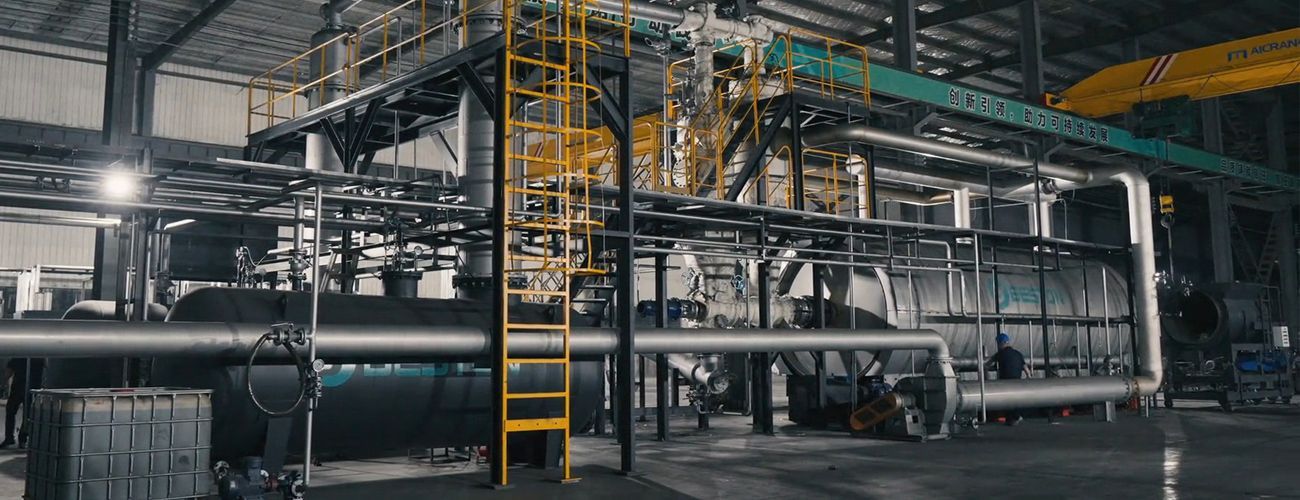
The purity of the plastic also affects the volatile matter content and gas yield during pyrolysis. High-purity plastic typically releases a higher percentage of volatile matter in the form of gases such as methane, ethylene, and propane. These volatile gases can be condensed into valuable products like fuel oil or further used as feedstock for energy recovery within the plastic pyrolysis machine.

On the contrary, when impurities such as metals or complex additives are present in the plastic, they interfere with the pyrolysis reaction, leading to incomplete volatilization. As a result, less gas is produced, and the yield of liquid hydrocarbons and solid residues increases. This shift in the product distribution can reduce the overall efficiency of the process, making the operation less cost-effective.

The Impact of Impurities on Pyrolysis Reaction Kinetics

Thermal Decomposition Behavior

Different plastic polymers decompose at varying temperatures, and the presence of impurities affects the overall temperature profile within the pyrolysis plant. Pure plastic, such as high-density polyethylene (HDPE) or polypropylene (PP), has a well-defined decomposition temperature range, typically between 300°C and 500°C. When the feedstock is a mixture of polymers, each polymer may degrade at a different temperature, creating a non-uniform temperature profile that can be difficult to manage in a pyrolysis system.

Impurities, such as glass or metal, not only disrupt this temperature balance but also absorb and retain heat, causing localized overheating in some areas of the reactor. This overheating can lead to uneven degradation and the formation of undesirable byproducts. The energy efficiency of the pyrolysis plant decreases as more energy is wasted in overcoming the challenges posed by these impurities.

Residence Time and Reaction Efficiency

The residence time, which refers to the amount of time the plastic material is exposed to heat within the reactor, is another critical factor in determining pyrolysis efficiency. Impurities can increase the time required for complete thermal decomposition, leading to inefficient use of reactor capacity and energy. For instance, mixed plastic materials require a longer residence time to break down fully, as the different polymers need varying temperatures and conditions to degrade effectively.

In pure plastic feedstock, the uniformity of the polymer structure allows for a more rapid breakdown, optimizing the use of heat and minimizing residence time. This improved reaction efficiency directly leads to higher throughput and lower energy consumption, enhancing the overall efficiency of the pyrolysis plant.

Energy Consumption and Operational Costs

Heat Management and Energy Losses

Purity issues in plastic waste often result in additional energy losses during the pyrolysis process. For example, the combustion of impurities or the need for extended residence times to degrade mixed plastics leads to increased fuel consumption and heat losses. Pure plastics, on the other hand, decompose more predictably, enabling better energy management within the pyrolysis plant. This reduction in energy demand can significantly lower operational costs, making the process more economically viable.

In addition, the thermal degradation of pure plastics generates fewer residues, reducing the need for post-processing or additional treatment of the solid byproducts. This not only saves energy but also reduces costs associated with waste disposal or further processing.

Tar and Carbon Formation

The presence of contaminants such as metals and fillers can increase the production of tar and carbon, which require additional energy-intensive treatments to remove. Tar, a complex mixture of organic compounds, is particularly problematic in pyrolysis systems as it can clog the reactor, heat exchangers, and condensers, leading to frequent maintenance and downtime.

In high-purity plastic feedstock, the formation of tar and carbon is minimized, resulting in smoother plant operation with fewer interruptions. This improves overall plant efficiency and helps avoid costly maintenance procedures, which are essential for maintaining optimal performance.

Quality of the End Products

Bio-oil Composition and Usefulness

One of the most significant impacts of plastic purity is on the composition and quality of the bio-oil produced during pyrolysis. High-purity plastic generates bio-oil with a higher proportion of valuable hydrocarbons, such as aliphatic and aromatic compounds. These compounds can be further refined into marketable fuels or chemical feedstocks.

In contrast, impurities in the plastic feedstock often lead to bio-oil that contains higher levels of undesirable contaminants, such as heavy metals, sulfur, and chlorine. These contaminants not only degrade the quality of the oil but also make it more challenging to refine and use in downstream applications, further decreasing the overall efficiency and profitability of the pyrolysis process.

Char and Solid Byproducts

The quality of the solid byproducts, such as char, is also influenced by plastic purity. Pure plastic produces a more stable and consistent char, which may be used for carbon sequestration or other industrial applications. However, mixed plastics or those containing additives like plasticizers or stabilizers may produce char with impurities, limiting its utility and requiring additional treatment.
By Cathy Wang February 6, 2026
Biomass pyrolysis is a promising method for converting organic materials into valuable products such as biochar, bio-oil, and syngas. However, the efficiency and quality of these products depend not only on the pyrolysis process itself but also on the pretreatment of the biomass feedstock. Pretreatment steps like drying, grinding, and other methods can significantly influence the pyrolysis process, especially when scaled up in a biomass pyrolysis plant. In this article, we'll explore how these pretreatment methods impact the pyrolysis process and the final products. Biomass Pretreatment: Why Does It Matter? Biomass feedstocks come in a wide variety of forms, including wood chips, agricultural residues, and food waste. Each type of biomass has different physical and chemical properties that affect its performance during pyrolysis. Pretreatment is crucial because it can enhance the efficiency of the pyrolysis process, optimize the yield of valuable products, and improve the economic feasibility of the operation. A biomass pyrolysis plant typically handles feedstocks that may need different levels of preprocessing to achieve the best results. Let's take a look at the most common pretreatment methods used in biomass pyrolysis. 1. Drying: A Crucial Step for Pyrolysis Efficiency One of the first steps in biomass pretreatment is drying. Biomass materials typically contain a significant amount of moisture, which can vary greatly depending on the type of feedstock and its source. Moisture content and its impact: High moisture content in biomass can significantly affect the efficiency of the pyrolysis process. During pyrolysis, moisture evaporates and absorbs heat, which can reduce the temperature inside the reactor, slowing down the reaction and lowering the yield of valuable products like bio-oil and syngas. Furthermore, high moisture can also lead to more tar formation, which can complicate the operation of the biomass pyrolysis plant . Optimal moisture levels: Studies suggest that biomass with moisture content below 10% is ideal for efficient pyrolysis. Therefore, drying biomass before introducing it into biochar reactor can enhance the overall process, improve heat transfer, and increase the yield of biochar and bio-oil. Drying methods include air drying, oven drying, and rotary dryers, with rotary dryers being commonly used in biomass pyrolysis plants due to their high capacity and efficiency. 2. Grinding: Improving Feedstock Uniformity Once the biomass is dried, the next critical step is grinding or milling the material to a suitable particle size. Biomass that is too large or too irregularly shaped can hinder the pyrolysis process, leading to uneven heating and inconsistent product formation. Particle size and its impact on pyrolysis: Smaller particle sizes increase the surface area of the biomass, allowing for more efficient heat transfer during pyrolysis. This leads to faster pyrolysis reactions and improved yields. For example, wood chips or agricultural residues are typically ground to a size below 20 millimeters to maximize efficiency. Grinding methods: There are several ways to grind biomass, including hammer mills, ball mills, and disk mills. Each method has its advantages depending on the material being processed. Biomass pyrolysis plants often integrate grinding systems to ensure that the feedstock is consistently prepared for the pyrolysis reactor. Uniformity and consistency: Grinding also helps in achieving uniformity in the feedstock. Biomass with a consistent size can ensure more uniform heating, reducing the chances of incomplete or inefficient pyrolysis. Conclusion Incorporating effective pretreatment methods such as drying, grinding, torrefaction, and pelletizing plays a crucial role in optimizing the performance of biomass pyrolysis plants. These steps improve feedstock quality, enhance pyrolysis efficiency, and maximize the yield of valuable products. As the biomass pyrolysis industry continues to grow, innovation in feedstock pretreatment technologies will be key to improving the sustainability and profitability of bioenergy production. If you're considering setting up or improving a biomass pyrolysis plant, investing in the right pretreatment techniques could make all the difference. Whether you're working with wood chips, agricultural waste, or other biomass materials, the proper preparation can ensure that your pyrolysis process operates at peak efficiency, providing a more sustainable and profitable energy solution.
By Cathy Wang January 27, 2026
Oily sludge is one of the most challenging waste streams in the petrochemical and refinery sectors—a hazardous mix of oil, water, and solids. Traditional disposal methods, such as landfilling and incineration, pose significant environmental risks. Enter pyrolysis technology, which offers a paradigm shift by turning this hazardous liability into a source of environmental and economic gain. Here’s how it achieves both compliant pollutant removal and circular resource recovery. The Problem with Conventional Methods Landfilling oily sludge risks long-term soil and groundwater contamination through leachate. Incineration, while reducing volume, can emit harmful dioxins, furans, and particulate matter if not strictly controlled, and it wastes the inherent energy value of the hydrocarbons. Both methods are increasingly regulated, costly, and fail to align with circular economy principles. The Pyrolysis Advantage: A Closed-Loop Solution Pyrolysis treats oily sludge in an oxygen-free environment at high temperatures (typically 400–550°C). This process thermally cracks the complex hydrocarbons without burning them, leading to three main outputs: pyrolysis oil, syngas, and solid char. This approach delivers a dual environmental victory. 1. Guaranteeing Compliant Pollutant Removal The core environmental benefit is the complete destruction and transformation of pollutants. Oil and Hydrocarbon Removal: Oil sludge pyrolysis plant effectively breaks down the long-chain hydrocarbons and toxic organic compounds (like polycyclic aromatic hydrocarbons, PAHs) present in the sludge. These are not merely transferred but are chemically decomposed into simpler, safer molecules. The residual solid char typically contains less than 0.3% total petroleum hydrocarbons (TPH), far exceeding the strictest landfill acceptance criteria and allowing for safe disposal or further use. Pathogen and Odor Elimination: The high-temperature process sterilizes the sludge, eliminating pathogens and volatile organic compounds (VOCs) responsible for foul odors—a significant improvement over open drying beds or simple stabilization. Heavy Metal Immobilization: While pyrolysis does not destroy inorganic heavy metals, it permanently immobilizes them within the solid char matrix. This vitrification effect drastically reduces their leachability, making the final residue non-hazardous and preventing metal migration into the environment. 2. Enabling True Resource Circularity Beyond safe destruction, pyrolysis actively recovers value, embodying the "waste-to-resource" model. Pyrolysis Oil Recovery: The condensed liquid is a valuable fuel oil, which can be used directly in industrial burners or refined further. This reclaims the energy content of the wasted oil, offsetting fossil fuel consumption. Syngas Energy Recirculation: The non-condensable gas produced is rich in methane, hydrogen, and carbon monoxide. In a well-designed system, this syngas is recycled to fuel the pyrolysis reactor itself, creating a self-sustaining energy loop that slashes external fuel needs and operational costs. Solid Char Utilization: The mineral-rich, carbonaceous char can be utilized in multiple ways: as a low-grade solid fuel, as an additive in construction materials like bricks or asphalt, or even as a precursor for adsorbents. This completes the cycle, leaving near-zero waste. The Economic and Regulatory Driver This process is not just environmentally superior; it's economically compelling. By converting a costly disposal problem (with high handling and tipping fees) into a source of sellable oil and energy independence, pyrolysis improves project economics. Furthermore, it provides a clear, verifiable pathway for companies to meet stringent environmental regulations on hazardous waste treatment and resource recovery mandates. Conclusion: A Step Toward Zero Waste Oily sludge pyrolysis represents a mature and efficient technology that moves beyond mere pollution control. It delivers compliant decontamination by fundamentally destroying and immobilizing hazardous components, while simultaneously unlocking circular value through the recovery of energy and materials. In doing so, it transforms an environmental liability into a cornerstone of sustainable industrial operations, proving that the most responsible waste management is the one that eliminates the very concept of "waste." l
By Cathy Wang January 27, 2026
Plastic pollution is a defining environmental challenge of our time. Yet, within every discarded bottle or wrapper lies a hidden potential: the hydrocarbons that originally came from fossil fuels. Advanced pyrolysis technology is now performing a form of modern alchemy, transforming this problematic waste back into a valuable liquid resource—pyrolysis oil. This process is not magic, but a fascinating story of controlled material transformation and energy conversion. The Starting Point: The Complex Chain Most common plastics (like PE, PP, PS) are polymers—long, repetitive chains of carbon and hydrogen atoms (monomers). These stable, durable chains are excellent for packaging but resist natural degradation. In a landfill, they persist for centuries. In traditional recycling, contamination and mixed types degrade quality. Pyrolysis of plastic to oil machine offers a chemical reset. Stage 1: Breaking the Chains (Cracking) Inside the oxygen-free environment of a pyrolysis reactor, heat (typically 400-500°C for plastics) is applied. This thermal energy agitates the polymer chains, overcoming the chemical bonds that hold them together. This critical step is called thermal cracking. Material Transformation: The long polymer chains fracture into a wide spectrum of smaller hydrocarbon molecules. This creates a vapor mixture ranging from light gases (like methane and propene) to heavier hydrocarbon vapors. Energy Conversion: The electrical or thermal energy input to the reactor is converted into the internal energy (kinetic and potential) needed to break the chemical bonds. It's the essential "investment" to initiate the transformation. Stage 2: Vapor Migration and Secondary Reactions The newly cracked hydrocarbon vapors travel through the hot reactor. During this journey, secondary reactions occur. Smaller molecules may recombine (re-polymerize) into different mid-weight compounds. The absence of oxygen is crucial here; it prevents combustion (which would simply produce CO2 and water) and instead allows these complex hydrocarbon rearrangements to take place. Stage 3: Condensation: From Vapor to Liquid Gold The hot vapor mixture is then rapidly cooled (condensed) in a controlled system, such as a series of condensers. Material Transformation: This phase change is the heart of oil creation. As the vapor loses thermal energy, the molecules slow down and transition from a gaseous to a liquid state. What condenses is a complex, dark brown liquid: pyrolysis oil or plastic-derived oil. Lighter gases that do not condense at this temperature (syngas) are separated. Energy Conversion: The enthalpy of vaporization is released during condensation. This energy is often captured as hot water or transferred elsewhere in the process, improving overall system efficiency. The Output: Not One, But Three Streams A well-designed process yields three product streams, each an energy carrier: Pyrolysis Oil (~50-80% yield): The main liquid product. Its composition resembles a heavy fossil fuel crude, containing alkanes, alkenes, and aromatic compounds. It can be refined into diesel/blender fuels or used as a chemical feedstock. Non-Condensable Syngas (~10-30% yield): A mixture of gases like methane, hydrogen, and carbon monoxide. This gas is typically recycled to fuel the pyrolysis reactor's heater, creating a self-sustaining energy loop and drastically reducing external energy needs. Solid Char/Carbon Black (~5-20% yield): A carbon-rich residue containing fillers and pigments from the original plastic. It can potentially be used as a solid fuel or industrial carbon source. The Energy Balance: A Self-Sustaining Cycle The most elegant aspect of this transformation is the energy conversion loop. The syngas by-product, itself a product of the chemical energy stored in the plastic, is combusted to provide the thermal energy required for the cracking process. In an optimized system, once initiated, the process can often generate more than enough syngas to sustain itself, with excess gas available for electricity generation. The pyrolysis oil itself is a dense, transportable battery of chemical energy, ready for downstream use. Conclusion: More Than Just Disposal The journey from waste plastic to pyrolysis oil is a powerful demonstration of applied chemistry and thermodynamics. It moves beyond disposal to molecular recycling, breaking down waste to its basic hydrocarbon building blocks and reassembling them into a new, useful form. By understanding the intricate dance of material transformation and energy conversion within the pyrolysis process, we can better appreciate its role not just as a waste management tool, but as a cornerstone technology for a circular carbon economy, giving plastic waste a new life as a valuable energy and chemical resource.