How to Control Emissions in Modern Tire to Oil Machine Operations
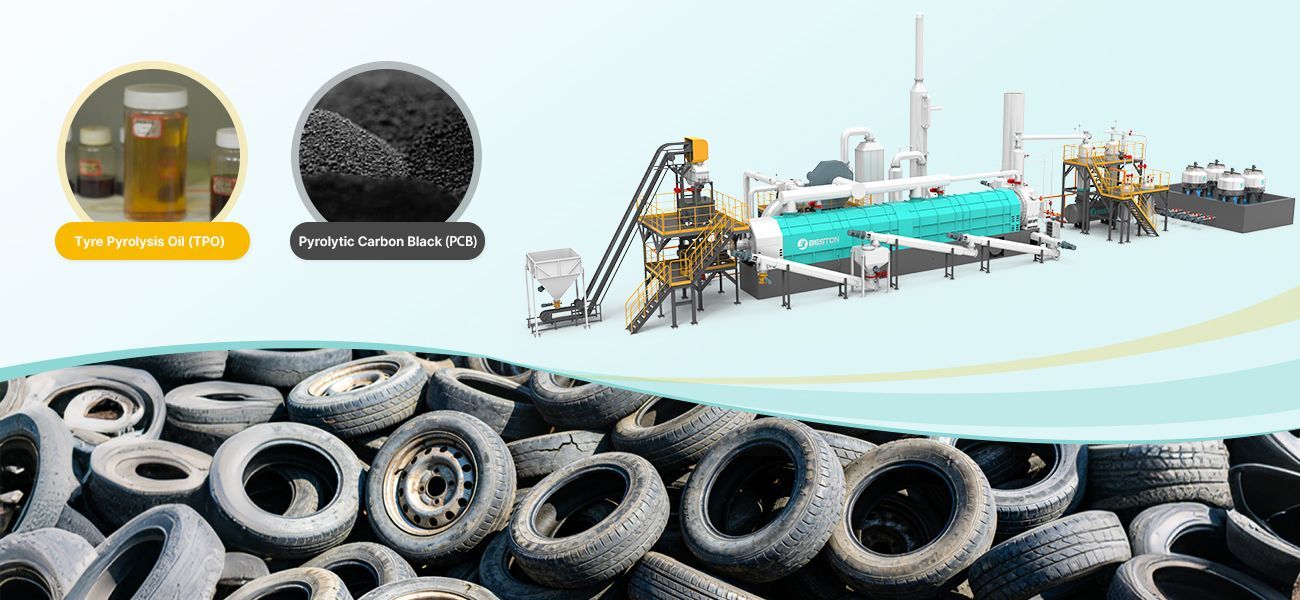
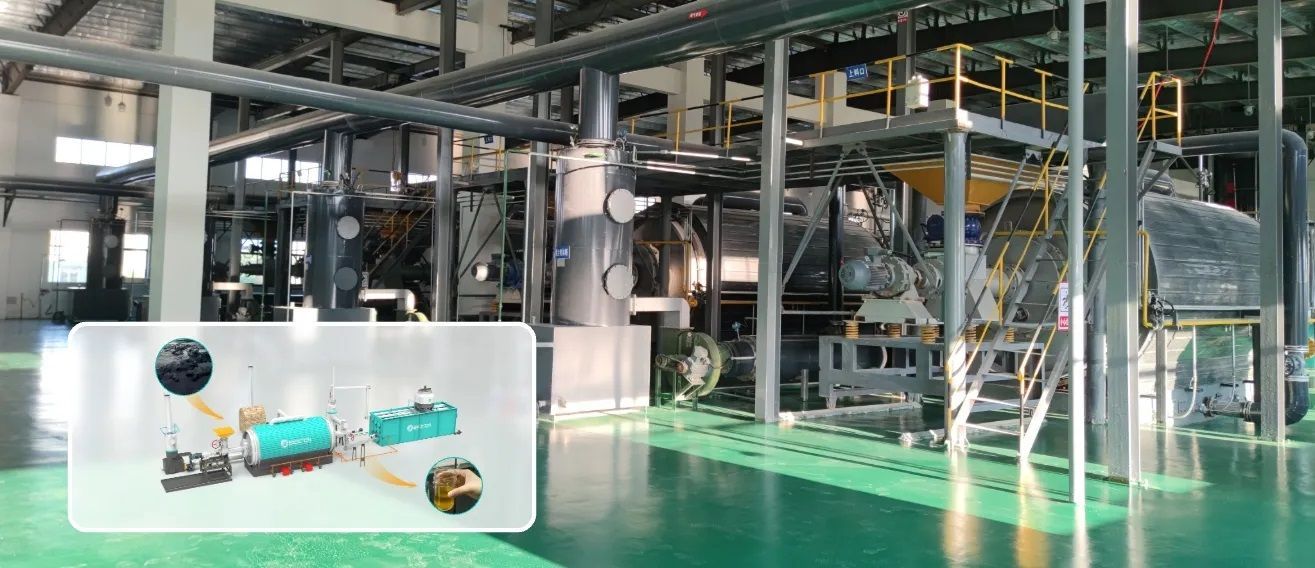
Emission control is a critical consideration in modern waste tire pyrolysis operations. During thermal decomposition, waste tires generate condensable hydrocarbons, non-condensable combustible gases, solid carbonaceous residues, and process exhaust. If these streams are not properly collected, treated, and managed, they may contribute to atmospheric pollution and operational risks. A modern tire to oil machine therefore requires an integrated emission management system covering reactor heating, process gas recovery, exhaust purification, and residue handling. Effective control depends not only on installing treatment equipment but also on maintaining stable operating conditions throughout the production cycle.
1. Identify the Main Emission Sources
Understanding where emissions originate is the first step toward establishing an effective control strategy. In tire pyrolysis operations, potential emission sources are generally associated with three process stages.
- Reactor heating: Combustion of fuel or recovered combustible gas generates flue gas containing combustion-related pollutants. Incomplete combustion may increase carbon monoxide and unburned hydrocarbon concentrations.
- Pyrolysis gas processing: Thermal decomposition produces hydrocarbon vapors and non-condensable gases. Leakage from pipelines, valves, or sealing assemblies may result in fugitive emissions.
- Carbon black discharge: Solid residues may contain fine particles that become airborne during cooling, conveying, and collection if appropriate dust-control measures are absent.
These emission sources require different treatment approaches. Separating process gas, combustion exhaust, and particulate matter streams helps establish an appropriate purification configuration.
2. Improve Reactor Sealing and Process Gas Collection
Reactor airtightness is fundamental to emission prevention. Tire pyrolysis takes place under oxygen-deficient conditions, and inadequate sealing can cause unwanted air ingress or process gas leakage.
A well-designed tire to oil machine should incorporate suitable sealing structures at reactor connections, feeding interfaces, discharge points, and rotating assemblies. These components must withstand thermal expansion, mechanical movement, and prolonged exposure to elevated temperatures.
The gas collection pipeline also requires careful engineering. Properly designed connections, pressure monitoring, and accessible inspection points help maintain system integrity.
Routine inspections should focus on:
- Reactor sealing assemblies and flange connections.
- Gas pipeline joints and valves.
- Condensation equipment connections.
- Pressure and temperature monitoring instruments.
Preventive maintenance reduces fugitive emissions and supports stable process operation.
3. Optimize Condensation and Oil Recovery
The condensation system plays an important role in controlling hydrocarbon emissions. During pyrolysis, volatile hydrocarbons leave the reactor as high-temperature vapors. These vapors must be cooled and separated efficiently to recover the condensable fraction.
A properly configured condensation system typically incorporates multiple cooling stages, heat exchangers, and oil collection units. Different hydrocarbon fractions condense at different temperatures, making staged cooling useful for improving recovery efficiency.
Several engineering considerations influence performance:
- Cooling capacity: Heat exchangers should accommodate the expected vapor flow and thermal load.
- Cooling water circulation: Stable cooling conditions help maintain consistent condensation performance.
- Pipeline configuration: Appropriate pipe diameters and layouts reduce unnecessary pressure losses and facilitate vapor transfer.
- System airtightness: Sealed connections help prevent untreated hydrocarbon vapors from escaping.
Effective condensation reduces the hydrocarbon load entering downstream gas treatment equipment.
4. Implement Combustible Gas Recovery and Exhaust Treatment
Non-condensable gas generated during tire pyrolysis contains combustible components. In appropriately designed systems, this gas can be recovered and reused as a supplementary heating source.
However, gas recovery requires suitable pressure regulation, gas separation, and safety protection. Excess gas must be managed through an engineered treatment or combustion system rather than released directly into the atmosphere.
The combustion exhaust requires separate treatment. Depending on its composition and applicable emission requirements, a purification system may incorporate:
- Cyclone separators: Remove relatively coarse particulate matter through centrifugal separation.
- Bag filters: Capture fine dust from suitable exhaust streams.
- Scrubbers: Reduce selected water-soluble gaseous pollutants through gas-liquid contact.
- Thermal oxidation: Oxidize residual combustible organic compounds under controlled conditions.
Treatment equipment should be selected according to measured exhaust composition, gas temperature, flow rate, and local environmental standards. No single purification configuration is universally suitable for every project.
5. Control Dust Emissions During Carbon Black Handling
Carbon black recovery is another important emission-control consideration. After pyrolysis, the solid residue requires cooling, separation, and collection. Mechanical handling can generate airborne particulate matter.
A closed discharge arrangement helps limit direct exposure of the residue to the surrounding environment. Sealed conveyors, enclosed storage containers, and suitable dust collection equipment can further reduce particulate dispersion.
Cooling should also be properly integrated into the discharge system. Handling hot solid residues without adequate temperature management may compromise equipment integrity and increase operational difficulties.
Regular inspection of collection filters and conveying components helps maintain effective dust control.
6. Use Automation and Continuous Monitoring
Emission management should be incorporated into the operating control system. Automated temperature regulation, pressure monitoring, gas detection, and alarm functions help operators identify abnormal conditions before they develop into more serious problems.
Continuous or periodic emission monitoring can evaluate parameters such as particulate matter, sulfur oxides, nitrogen oxides, and carbon monoxide, depending on the applicable regulatory requirements.
Operating records should include reactor conditions, gas recovery performance, purification system status, and maintenance activities. These records provide a technical basis for identifying deviations and improving process stability.
Conclusion
Emission control in modern tire pyrolysis operations requires coordinated management of process gas, combustion exhaust, and solid residues. Reactor sealing, efficient condensation, combustible gas recovery, exhaust purification, and enclosed carbon black handling each contribute to reducing environmental impacts. A well-integrated tire to oil machine should combine these measures with automated monitoring and preventive maintenance. Ultimately, emission performance depends on the compatibility of individual treatment components, consistent operating conditions, and compliance with the environmental requirements applicable to the project location.